 2000+ Reviews
15000+ Happy
Guests
2000+ Reviews
15000+ Happy
Guests
You land at Schiphol.
You see bikes everywhere.
You wonder if the canal houses are leaning… or if you’re just jet-lagged.
If this is your first time here, you don’t need chaos planning.
You don’t need 47 open tabs.
You don’t need to panic-book everything at once.
You need clarity.
And you deserve to have a really, really good time here.
This ultimate Amsterdam travel guide for 2026 will help you understand the city, plan your trip, and discover the best things to do in Amsterdam — without the overwhelm.
I’m Alexandra, founder of Who Is Amsterdam Tours.
I’ve been guiding visitors through this city since 2018 — thousands of them.
First-time couples trying to make it romantic.
Families navigating jet lag.
Group of friends, solo travellers who want to understand the city properly, not just
photograph it.
And I care deeply about one thing:
That you leave feeling like you got Amsterdam.
Not just the pretty canals.
Not just the Red Light District.
Not just the “we rented bikes and survived” story.
But the rhythm.
The personality.
The quiet intelligence of this place.
Amsterdam isn’t confusing.
It’s just easy to underestimate.
People overschedule.
They miss tickets.
They treat bike lanes like sidewalks.
They rush through neighbourhoods without ever slowing down.
And locals?
We’re friendly. But we also live here.
We’re commuting.
Picking up kids.
Carrying groceries.
Moving through narrow streets that require a little awareness.
The magic happens when visitors and locals flow together.
That’s why I wrote this guide.
Not as a brochure.
Not as recycled travel content.
But as the advice I give my own friends before they visit.
How to plan your first day.
What to book early.
What’s actually worth it.
How to enjoy the city fully — while respecting the people who call it home.
Structured.
Honest.
Practical.
Local.
With warmth.
This guide is for people who don’t want to “wing it” in Amsterdam and then accidentally spend three hours in a cheese shop.
It’s for first-time visitors staying two to three days who want to feel oriented, not overwhelmed.
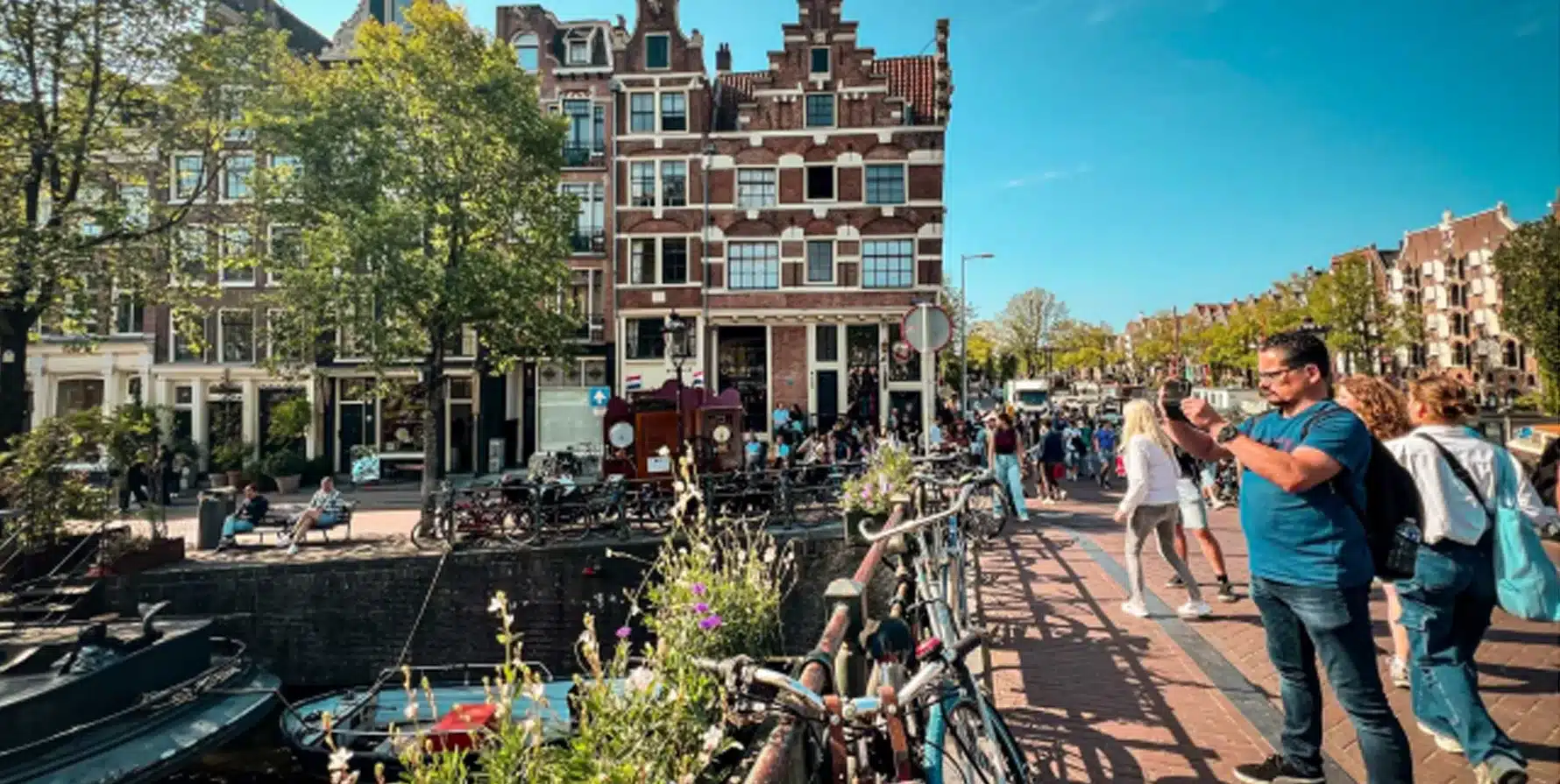
If you like knowing why you’re looking at something — not just snapping a photo and moving on — you’re in the right place.
Amsterdam is compact. That’s the good news. The slightly dangerous news?
Because it’s compact, it’s easy to underestimate.
You think: “Oh, it’s small. We’ll just wander.”
This guide is for people who want to avoid that.
If you want to feel like someone quietly handed you the map to the city’s logic — that’s what this is.
And if you’re the kind of person who thinks, “I want to do Amsterdam properly” — You’re exactly who this guide was written for.

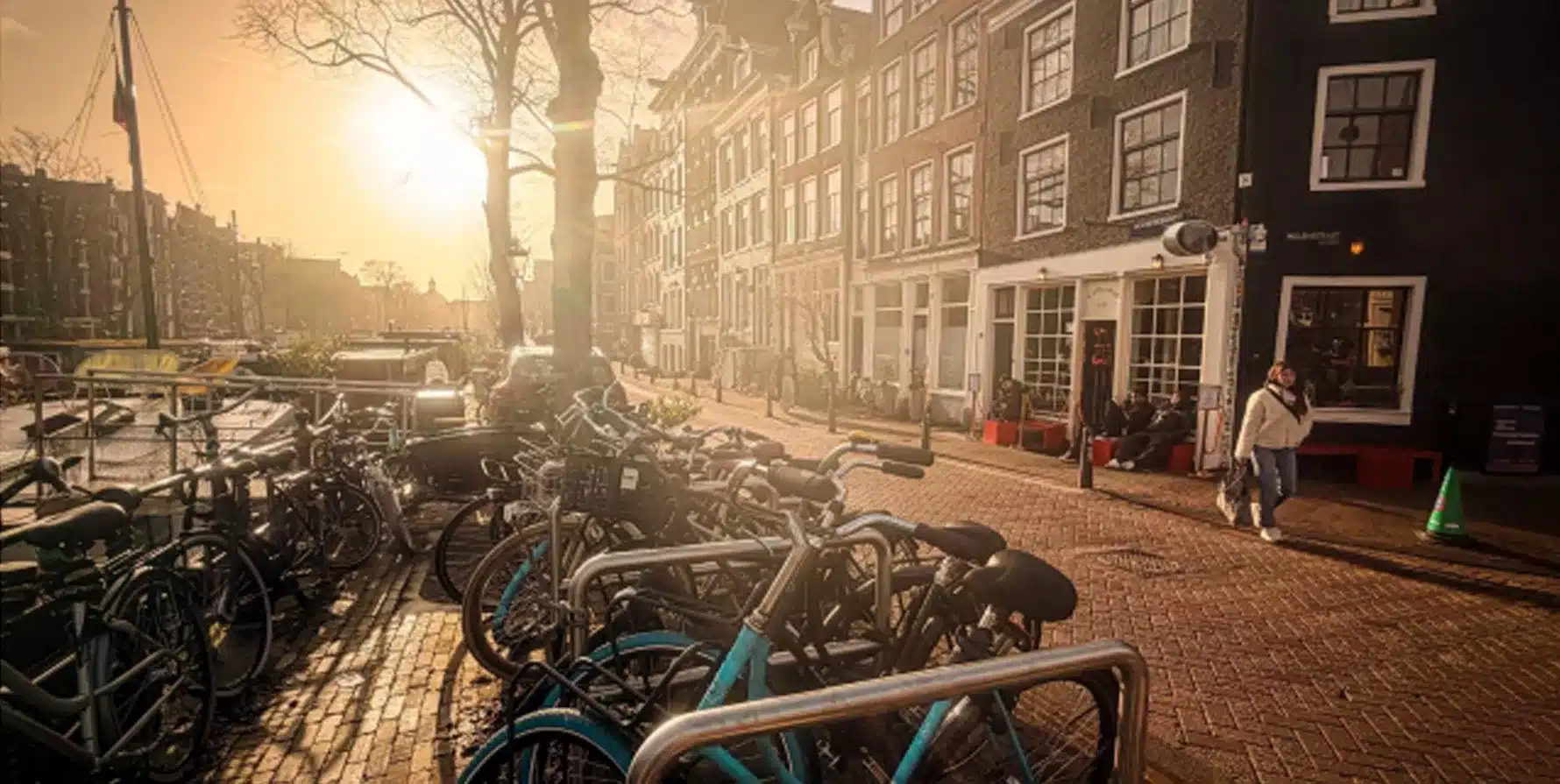
Short answer: yes.
Longer answer: absolutely — especially if you value atmosphere over spectacle.
It’s often described as a cosmopolitan village — and that’s not marketing language. It’s accurate.
But it still feels human-sized.
Unlike cities where you queue for hours to “enter” the attraction, here the attraction is the streets themselves. You don’t need to stand in line to access beauty. You just walk. That’s rare. And it’s one of the reasons visitors often leave feeling inspired instead of exhausted.
Here’s something many people don’t realise: Amsterdam is the capital of the Netherlands.
But the government sits in The Hague. And that matters.
It gives Amsterdam a very particular atmosphere. There’s no heavy administrative formality here.
No stiff political district dominating the mood.
It’s official on paper. But in feeling? It’s laid-back.
Ask locals why they love Amsterdam and you’ll hear this word a lot:
“Leefbaarheid.”
Unlike some city trips where you need a vacation afterwards, Amsterdam rarely drains you. It unwinds you.
Amsterdam welcomes 23–25 million visitors per year. Yes, it’s popular.
But crowds concentrate in specific spots: Dam Square, Anne Frank House, parts of the Red Light District.
Walk ten minutes into Jordaan.
And in 2026, it’s also important to remember: Amsterdam is much more than the canal belt.
Ten years ago, many visitors stayed only in the historic centre. That’s valid — it’s beautiful.
But today, the surrounding districts are vibrant, creative and extremely well connected.
For a 2–3 day stay, you can easily explore beyond the centre without ever feeling lost.
If you want neon spectacle and monumental scale, there are bigger cities.
If you want beauty you can walk through, water that softens the edges of the day, and a capital that feels surprisingly human — Amsterdam is excellent.
Amsterdam doesn’t try to overwhelm you. It assumes you’ll notice the details.
And if you do — It stays with you.

Short answer: there’s no bad time to visit Amsterdam. There is a best time — depending on whether you want fresh outdoor energy or candlelit coziness. Because Amsterdam changes with the seasons. And the water reflects all of it.
April is peak tulip season, and King’s Day (April 27) turns Amsterdam into a full-city orange festival.
The vibe? Fresh. Hopeful. Alive. If you want Amsterdam outside — café terraces, open-air wandering, that first-sunlighton-the-canals feeling — spring is beautiful.
Just book early. Hotels fill fast.
Summer is Amsterdam fully outside. Open boat canal cruises are magical — cruising through the canals with a light breeze and golden evening light is hard to beat.
September is particularly lovely — still warm, but calmer. October and November become moodier — and Amsterdam does moody extremely well.
If you like balance — good weather without peak crowds — autumn is ideal.
Winter is underrated.
It’s colder, yes. It can be grey, yes. But Amsterdam in winter is all about gezellig — a Dutch word that loosely translates to cozy, intimate, warm.
Think:
Open boats are less common in winter (for obvious reasons), but the atmosphere shifts inward in the best way.
If you want a reflective, slower city trip — winter can feel deeply special. Just pack properly.
Amsterdam works year-round. Because the magic isn’t tied to one season.
Short answer: 2–3 days is enough for a great first visit.
Honest local answer? If you can, stay four. Or even a week.
Let me explain.
As a local — of course I could say “forever.”
But realistically, here’s what I see again and again.
I guide travellers who often visit multiple European cities in one trip. Berlin, Paris, Rome, London. Big hitters.
And when I ask them afterwards which city surprised them most?
Amsterdam is almost always in the top one or two. Not because it’s the biggest. But because it’s the most relaxing

Two days gives you orientation.
You’ll get the icons. You’ll get the feeling. It’s a solid first touch base. But just when you start to truly land — you have to leave.
Three days is comfortable. You’re not racing anymore.
This is where the city starts to open up. You begin to understand the rhythm instead of just observing it. For many first-time visitors, three days feels complete.
If you can, stay four full days.
Amsterdam is a city that rewards slowing down. It’s not built for conquering. It’s built for breathing.
If you truly want to experience it — and not just tick it off — a week is incredible.
The Dutch countryside is nearby. The beach is nearby.
Everything is well connected.
It becomes less of a city trip and more of a reset. And that’s something many travellers don’t expect.
In many European capitals, you leave exhausted. Distances are large. Queues are long.
The scale overwhelms. Amsterdam is different.
The historic centre is already the monument. You’re walking inside the beauty.
You don’t need to commute across the city to experience it.
That’s why even 2–3 days work so well.
And it’s also why, if people stay longer, they rarely regret it.
Amsterdam isn’t about squeezing more in. It’s about finally exhaling a little. And that’s why so many travellers rank it above cities twice its size.
If you read nothing else in this guide, read this. After guiding thousands of visitors since 2018 — and taking friends on this exact route — this is the most complete, balanced first day in Amsterdam:

That’s your perfect first day. Structured. Balanced. Memorable. Not rushed. Not chaotic. Just right.
Before we map it properly, one important thing: The historic city centre — especially the UNESCO Canal Belt — is already the monument.
You don’t need to escape it on Day 1. You need to absorb it.
Stay central. Walk. Look up. Talk to a local.
The rest of the trip can branch out later. Day 1 is about orientation.
Amsterdam is easy. But it rewards a little preparation.
Nothing kills first-day magic like standing hungry outside a full restaurant. Especially in Jordaan.
If you want to avoid the classic first-time mistakes, read our guide on What Not to Do in Amsterdam. It’ll save you from at least three avoidable headaches.
Amsterdam is layered.
If you begin with a museum, you’re looking at objects without context. Start with a structured introduction — like our Hello Amsterdam Walking Tour.
Without context, Amsterdam is pretty. With context? It clicks. Two hours of orientation saves you two days of confusion.
After your tour, don’t rush. Pick one area and enjoy it properly. One neighbourhood. One pace. No zigzagging across the city.
Charming. Intimate. Full of character. Sit somewhere cozy like Café Sonneveld or a modern Dutch bistro nearby. Wooden interiors. Canal views. Proper lunch energy.
If you’d rather not guess where to go, follow our Self-Guided Jordaan Food Tour. It’s a curated route through the neighbourhood with trusted local stops.
Slow wandering. Good bites. No tourist-trap roulette.
More vibrant. More international. Explore Albert Cuyp Market or sit down at places like The Wasserette. Grab a warm stroopwafel from a stall. Stand in the sun. Watch the city move.
And if you want structure without losing spontaneity, our Self-Guided De Pijp Food Tour was designed exactly for this kind of neighbourhood lunch — market energy, multicultural flavours, and zero guessing.
One area. No rushing.
Choose one. Not four.
One museum is enough. More becomes overload.
If you have 3–4 days in Amsterdam, you can space museums out. But on Day 1, don’t exhaust yourself.
Do not wing dinner.
Especially on weekends. ALWAYS make a reservation
The Netherlands’ colonial history shaped Amsterdam’s food scene, and Indonesian rijsttafel is one of the most unique culinary experiences in the city.
Do it after dinner. Amsterdam at night is softer. Bridges glow. Water reflects golden houses. The city quiets. Because you started with context in the morning, the canals now feel connected — not random. From the water, the city becomes cinematic.
One final stop. A traditional brown café. Wood-panelled walls. Low ceilings. Freshly tapped beer. No rush. Order apple pie. Get whipped cream. Stay longer than planned. It doesn’t get more Amsterdam than that. Then call it.
That’s a very full — and very beautiful — first day.
If you have more time, don’t front-load everything.
No museum yet. Let the city settle.
Now visit Rijksmuseum, Van Gogh, or Anne Frank House. The stories land deeper because you already understand the city.
Branch out once you understand the core.
Amsterdam isn’t about doing everything. It’s about doing the right things in the right order. And on your first day? Stay in the heart. Let the canal belt introduce itself.
Before we start: These are inspiration itineraries Not military schedules.
Not “you must do this.” Not optimized to the minute. Amsterdam works best when you leave space.
But if you’re wondering: “What does a smart 1, 2 or 3-day structure look like?” Here’s how we’d roughly plan it.

If you only have one day, structure matters.
Then book a 10:00 a.m. walking tour.
We recommend our Hello Amsterdam Walking Tour — but honestly, even if you don’t go with us, go with someone.
Just check quality and vibe.
Two hours of context changes everything.
After the tour, head into Jordaan for lunch (reservation recommended)
Sit near a canal. Slow down.
One is enough.
Indonesian food is part of Amsterdam’s cultural DNA.
Night – Canal Cruise at Sunset Do a canal cruise. At sunset From the water, when the bridges light up, Amsterdam is unreal. If you’re done
Go to bed happy.
That’s a perfect one-day version.
With two days, you can breathe more.
Follow the 1-day structure above.
Walk through De Negen Straatjes (The Nine Streets).
Grab coffee. Wander without urgency.
Don’t stack too much.
Find a brown café like Café de Drive Fleschjes, Café Papeneiland or Café de Nieuwe Lelie
Sit. Watch life happen.
If you had Dutch food on Day 1 — go Indonesian tonight. If you had Indonesian — go Dutch tonight. Balance is key.
Three days means you should leave the postcard zone.
Orientation + museum + canal cruise.
Nine Streets + museum + brown café + good dinner.
This is where many visitors make a mistake: They stay only in the canal belt.
Don’t.
Go see the tulip fields. Book early. We offer a small-group tulip fields tour by car, taking you off the beaten track into real working fields. If it’s tulip season, do it.
The countryside is incredibly close.
It’s calm. Green. Beautiful. And very different from the city centre.
Try street food.
Food + neighbourhood stories = perfect combo.
That’s the rhythm. Use this as inspiration.
Amsterdam rewards flexibility. Not perfection.
Amsterdam doesn’t just “have events.” It lives them. Some weekends feel like the whole city decided to step outside at the same time. Here’s what’s happening in 2026 — month by month.

March is the official start of “Amsterdam goes outside again.”
Yes, we celebrate. Irish pubs fill up, green appears everywhere, and the city leans into it happily.
Tulip season officially begins. While the fields are outside the city, this is when Amsterdam starts feeling like spring. If tulips are on your list, this is your moment.
Eat Dutch pancakes. Period. This is your sign. We recommend Moak pancakes or Pancake Bakery.
A rotating celebration of wine-producing countries. Expect tastings, DJs, and a very relaxed crowd.
One of our local favourites. A cutting-edge photography fair showcasing groundbreaking contemporary work. If you love art that feels current, go.
April is energy. DJs. Orange madness.
Electronic music at its finest. Dutch DJs are world-class, and DGTL is one of the cleanest, best-produced dance festivals in the city. If you love house and techno, this is big.
The capital’s best roasters come together. Tastings, workshops, caffeine everywhere.
The entire city turns orange. Boats flood the canals. Streets become flea markets. DJs set up on sidewalks. It’s chaotic, joyful, loud and unforgettable.
Loveland Burst (a large dance event) happens on King’s Day itself. If you love full-scale city celebration — come. If you want quiet canal photos — choose another date.
Book hotels months ahead.
May balances reflection and food.
Celebrating the end of World War II in the Netherlands (1945). There are concerts and festivals across the country. It’s meaningful, but also celebratory.
One of our favourite food festivals. Westerpark fills with creative food trucks. It’s casual, social, and very Amsterdam.
Galleries across the city open their doors with special programming. If you’re into contemporary art, this is your week.
June is festival season.
One of the best outdoor festivals in Amsterdam. Electronic music, fashion, creativity.
Multiple weekends. Wine tastings, DJs, open-air atmosphere.
Top restaurants presenting signature dishes. Great way to sample Amsterdam’s food scene in one place.
The Red Light District is much more than the adult industry. This festival celebrates its jazz heritage with performances in historic venues. It’s intimate and surprisingly beautiful.
One of the city’s hidden gems. Private canal house gardens open to the public. You get to see green spaces normally hidden behind grand facades.
July is culture and celebration.
Commemorating the abolition of slavery in Suriname and the Dutch Caribbean (1863). It’s a day of remembrance and celebration. Important, powerful, vibrant.
A multicultural summer festival with food, music, football and community spirit.
In 2026, World Pride comes to Amsterdam. Expect international energy, canal parades, and citywide celebration.
Playful, inclusive, colourful. Celebrates diversity in all forms.
One of the most respected electronic music festivals in Europe. If you’re serious about music, this is a big one.
The famous boat parade through the canals. Unique. Powerful. Joyful.
The Parade is a travelling theatre festival with performances in a pop-up fairground setting. Very Dutch. Very creative.
Summer evenings often include open-air film screenings.
Marks the opening of the cultural season. Performances, previews, theatre and music throughout the city.
September is cultural depth.
Experimental theatre, unexpected venues, bold performances.
Historic buildings normally closed to the public open their doors. It’s one of the best ways to access hidden architectural gems.
A major running event connecting Amsterdam and Zaandam. Expect athletic energy and street cheering.
October is dance month.
The city becomes the global capital of electronic music. Hundreds of events. Clubs, conferences, secret sets. Even if you’re not attending, you’ll feel it.
Celebrating Black excellence in arts, culture and history. The Black Archives is a great starting point.
Because storytelling is deeply embedded in Dutch culture. Intimate venues. Spoken word. Narrative magic.
Dozens of museums open late with special programming, DJs and performances. Very popular.
One of the world’s leading documentary festivals. Screenings across the city.
Large-scale light art installations along the canals. Best experienced by boat.
Smaller, intimate markets. More candlelight than commercial overload. Winter in Amsterdam is about gezellig — warm cafés, layered clothing, slow evenings.
Amsterdam is not chaotic. It’s actually one of the most logically structured cities in Europe.
It’s symmetrical.
It’s planned.
It’s layered.
And once you understand that structure, navigating becomes effortless.

Start in the middle. That’s the oldest part of the city. Central Station. Dam Square. The medieval streets. The Red Light District (yes, also the oldest district — and architecturally very beautiful).
From there, the city expands outward in layers. Just like an onion.
The closer you are to the centre, the older it gets. The further you move outward, the younger the architecture becomes.
This is the famous 17th-century canal belt. It’s UNESCO World Heritage not just because it’s pretty — but because it was planned so intelligently. It’s urban design at its best.
If you follow just one of these canals from one end to the other, it’s roughly an hour’s walk.
That’s it. You’ve just crossed one of the most photographed areas in Europe — on foot.
Compare that to cities where you need a metro just to reach the landmark.
From Central Station, walk straight south for about 30 minutes.
Once you understand the centre, you move outward.
The 17th century. Elegant houses. “Dancing” facades that look similar but aren’t identical. Yes — at first it may feel like everything looks the same. That’s part of the charm. The beauty is consistent.
Charming. Intimate. Slightly quieter. Still historic, but more residential. Small cafés, independent shops. Perfect for wandering.
Further south, the architecture gets younger. Museum Quarter feels grand and spacious — wide lawns, major museums, Oud-Zuid (posh and polished). De Pijp feels vibrant and cosmopolitan — markets, brunch spots, everyday Amsterdam energy.
More local. More creative.
Music venues. Excellent food scene. Green spaces. It’s residential, but still very connected.
From Central Station, you’re 20–30 minutes away by tram.
Across the IJ river — reachable by free ferry from behind Central Station. Noord feels industrial, artistic, experimental. And the ferry? Completely free. Always.
Amsterdam looks uniform at first glance. No skyscrapers. No giant monuments.
Just rows of canal houses. But beneath that visual harmony is incredibly intelligent planning.
The city was built outward in rings. That’s why it works so well. And that’s why it feels so manageable.
Treat Amsterdam like an onion. Start in the centre. Walk through the canal belt.
Then explore one outer layer at a time. Don’t zigzag randomly across the map. Move outward gradually.
Because even the “outer layers” are only 20–30 minutes away by tram.
And once you see the pattern, you’ll stop feeling lost.
Short answer: walk first, bike if you’re confident, use public transport when needed.

Amsterdam is extremely compact. The historic centre is about 30–40 minutes across on foot.
Very.
Compared to most European capitals, Amsterdam feels like a cosmopolitan village. No skyscraper clusters. No giant boulevards.
No two-hour cross-city commutes. From Central Station to the Rijksmuseum is about a 30-minute straight walk.
Follow one canal from end to end? Roughly an hour. The city centre — especially the canal belt — is meant to be explored on foot.
And because the entire canal belt is UNESCO World Heritage, you’re not walking toward the attraction. You’re already inside it.
Walking is the best way to absorb the details.
Short answer: only if you’re confident. Yes, Amsterdam is famous for cycling. Yes, it looks charming.
No, it’s not beginner-level. Cycling in Amsterdam is advanced. Bikes come from every direction.
Locals don’t hesitate. The traffic flow is intuitive — not rule-book strict. If you’re used to chaotic bike cities and feel confident — go for it. If you’re unsure or haven’t biked much recently, don’t make your city trip an adrenaline experiment.
You can still experience Dutch cycling culture by:
Expect €12–18 per day. You’ll usually leave a deposit and sometimes a copy of your ID.
Amsterdam has an excellent public transport network. Trams, buses, metro, ferries.
And here’s the good news: You don’t need a physical ticket.
You can tap your debit or credit card directly when entering and exiting.
It’s simple.
Roughly €2–4 depending on distance.
There are also day tickets, but for most visitors, tapping in and out works perfectly.
Yes. Very.
Yes. Uber operates widely in Amsterdam. Regular taxis are available too.
That said, because distances are short, you’ll rarely need them within the city centre.
Behind Central Station, free ferries run continuously across the IJ river to Amsterdam Noord.
They’re part of the public transport system — and they cost nothing.
It’s one of the easiest (and nicest) short crossings in the city.
Amsterdam is not a city where transport dominates your experience.
It supports it quietly. Because the city is small enough that getting around never becomes the story.
And that’s a luxury.
Short answer: stay inside or just around the canal belt. Longer answer: it depends on your style — but in Amsterdam, you’re rarely “too far away.” Because this city is compact.
You’re not choosing between “central” and “suburbs.” You’re choosing atmosphere. Here’s how it breaks down.

Best for: first-time visitors, couples, postcard views
Vibe: historic, elegant, walkable
If it’s your first time, this is the easiest choice. You wake up. Step outside.
And you’re already inside the UNESCO canal belt.
It’s beautiful. It’s central. It’s convenient.
Downside? It’s the most expensive area. But if budget allows, it makes everything effortless.
Best for: relaxed travellers, boutique hotel lovers
Vibe: intimate, local, cosy
Best for: museum lovers, families, upscale stays
Vibe: green, grand, refined
Best for: food lovers, younger travellers
Vibe: lively, multicultural, less polished
De Pijp is slightly south of the canal belt. It’s home to Albert Cuyp Market and excellent brunch spots.
More local. More everyday Amsterdam.
Still well connected by tram — about 10–15 minutes to Central Station.
Best for: returning visitors, design lovers
Vibe: industrial, artistic, contemporary
Across the IJ river. Reachable by free ferry from behind Central Station.
Less historic. More experimental. Great restaurants. Creative spaces. Waterfront views. Not the typical first-time base — but interesting if you like modern energy.
Best for: longer stays, travellers who prefer local life
Vibe: residential, creative, relaxed
Tram ride to the centre: 20–30 minutes. You’ll see more everyday life here.
Excellent food scene in both East and West. If you’re staying four days or more, these are strong options.
Avoid staying too far outside the A10 ring road unless budget requires it.
Not because it’s unsafe — but because convenience matters on a short trip.
One Important Tip
Charming.
But compact.
But compact.
There is no “wrong” neighbourhood in central Amsterdam.
The city is small. Public transport works. Walking works even better.
The biggest mistake isn’t choosing the wrong area. It’s overthinking it.
Pick your vibe. Amsterdam will do the rest.
The Icons (Yes. Do These.)

If you do one museum in Amsterdam, this is it. It’s quiet. It’s intense. It stays with you.
Tickets sell out weeks in advance. Always. For peace of mind?
Book early. The moment you know your travel dates. However.
If you’re already in Amsterdam and thinking, “Oh no… we forgot”… we wrote a full guide on how to get last-minute Anne Frank tickets (ADD BLOG PAGE HERE). We can’t guarantee anything (we’re good, not magicians), but chances are still real if you know where and when to look.
Read that blog first. Then breathe. Rijksmuseum This is the Dutch Golden Age flex.
Rembrandt. Vermeer. Global trade. Power. Beauty. Ego on canvas.
The building alone is worth entering for.
Plan at least 2–3 hours. Go in the morning if you can.
And if you don’t want to wander aimlessly through 8,000 objects wondering what matters, we offer a private Rijksmuseum tour that turns the masterpieces into actual human stories — not a school trip lecture. It changes the experience completely.
Book. In. Advance. Weeks in advance.
This one sells out fast, especially in peak season. It’s more emotional than people expect. You don’t just see paintings — you follow a mind
Timed entry only. No spontaneous pop-ins.
All tourists do it. For a reason. We locals love it too.
There is nothing better on a sunny afternoon than meeting friends, bringing snacks and drinks, and just floating through the canals. It’s slow. It’s beautiful. It’s oddly grounding.
Water is Amsterdam’s Beyoncé. Everything revolves around it.
Choose small boats over large ones if you can. 60–90 minutes is perfect. Open boat in good weather? Magic.
I used to think, “What’s the big deal? They’re just flowers.” And then I stood in front of them.
Endless color. Open skies. It’s almost overwhelming.
It’s genuinely one of the most mesmerizing natural spectacles in the world. Top-10-travel- experience level.
We don’t go to crowded theme-park gardens. We go to real fields and real farmers on our Tulip Fields by Car Tour — smaller group, countryside roads, no bus chaos.
It’s spring. Done properly.

Now we move from “seeing” to “feeling.”
Amsterdam is layered.
Without context, it’s just pretty canals.
With context? It clicks.
Our Hello Amsterdam Walking Tour is designed exactly for this — to be your Day 1 orientation so everything else makes sense afterwards. Museums land deeper. Neighborhoods feel familiar. The city becomes less overwhelming.
It’s not about ticking boxes. It’s about cracking the code.
Order apple pie. Get whipped cream. Trust us.
Brown cafés are Amsterdam’s living rooms. Dark wood. Low ceilings. Stories in the walls.
Our personal favorite brown bars are Café Papeneiland, Café de Nieuwe Lelie, Café Elands and de Drie Fleschjes.
Stay longer than you planned.
Yes, you should experience it.
No, you should not do it if you’re terrified.
Amsterdam bike traffic is confident. Fast. Unapologetic.
If you do rent one, go early in the morning. Fewer crowds. More joy. More space to breathe.
Jordaan Almost ridiculously picturesque. Tiny streets. Leaning houses.
Hidden courtyards (hofjes). This is where Amsterdam softens.
And if you want to taste your way through it, our Private Jordaan Food Tour is a beautiful way to do that without guessing which spots are actually good.
Visit the Countryside (30 Minutes Away) Just 30 minutes outside the city, everything changes.
Wide skies. Windmills. Storybook fishing villages.
Actual cheese from family farms. It’s peaceful in a way the city isn’t.
Our Countryside Tour by Car keeps it small, relaxed, and away from big coach crowds.
Okay. This one surprised us. The entrance? A bit touristy. The pre-show? Fine.
But the 4-minute flight simulation over the Netherlands? Goosebumps.
You “fly” over windmills, canals, tulip fields — and it’s beautifully done. It gives you an emotional overview of the country in minutes. We didn’t expect much. We walked out impressed.
If you’re here on Saturday, go to the Noordermarkt and Lindenmarkt. If you’re here the first Sunday of the month, explore my favorite market the Sunday market at the Westerpark.
And for lunch? Head to the Albert Cuyp Market in De Pijp. It’s loud. It’s chaotic.
It smells like stroopwafels and fresh herring and Indonesian spices.
Grab something warm. Stand at a stall. Eat like a local. It’s messy in the best possible way.

Short answer? Amsterdam isn’t cheap.
But it’s also not “sell your kidney” expensive. With a little preparation — and by avoiding the obvious traps — you can absolutely do it smart. Let’s break it down.
(This includes food, attractions and transport — not luxury hotels.) Now let’s look at where the money actually goes.
You’re easily at €60–80 in one day just on tickets. That’s normal for a European capital. But it adds up quickly.
Small-group storytelling walking tour: €25–35
“Free” walking tours? Often €6 booking fee + €15–20 tip at the end. And larger groups. Free isn’t really free.
Premium cultural tours: €80–130
For example, our Humans of Amsterdam Cultural Walking Tour is €129 and includes drinks and apple pie.
You’re paying for: Context. Curation. Not wandering aimlessly.
Single tram ride: €2–4 Day pass: €9.50 Bike rental: €12–18 per day
Amsterdam is compact, which helps the budget. But if you’re using public transport frequently and visiting multiple museums, costs stack quickly.
Then it’s absolutely worth checking the I amsterdam City Card.
It’s a city-backed cultural pass that bundles many costs into one price.
And yes — we work together with I amsterdam. With the I amsterdam City Card, you can book:
At no extra cost (subject to availability).
The card can often pay for itself. If you’re only doing one museum and mostly walking? It may not be necessary. It depends entirely on your itinerary.
Amsterdam food pricing is Western European. You can eat well without overspending — if you avoid obvious tourist traps.
Markets like Albert Cuyp Market are far more budget-friendly than TikTok-famous shops on Damrak. Preparation changes everything.
Compared to Southeast Asia? Yes. Compared to London, Paris, Zurich? Comparable — sometimes slightly better.
Amsterdam isn’t cheap. But it’s clean. Safe. Walkable. Culturally layered.
And some of the best moments — sunset along the canals, wandering Jordaan, sitting in a brown café — cost nothing.
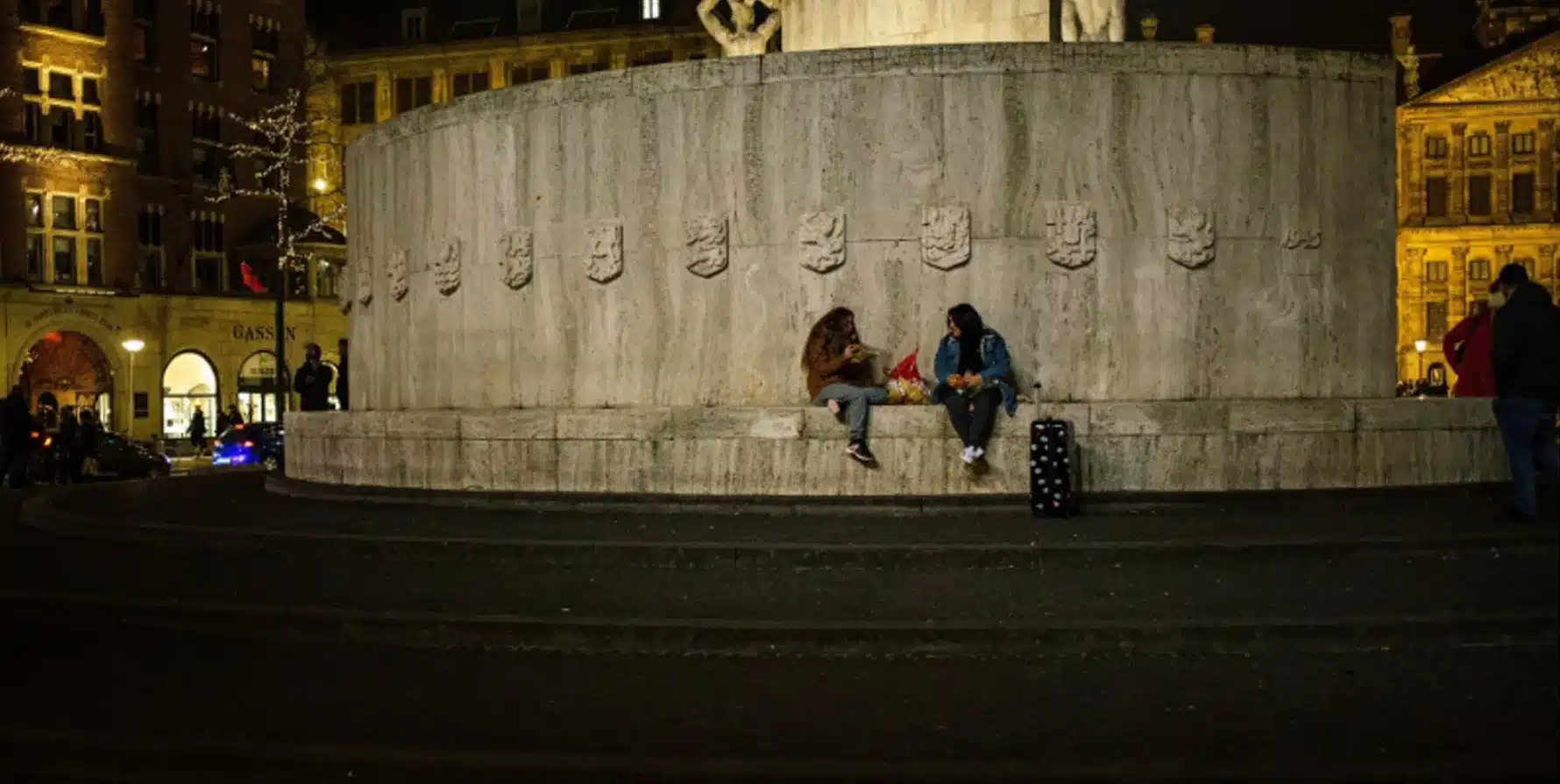
The University of Amsterdam literally says Amsterdam “has a pleasant atmosphere” and that it’s been ranked among the safest cities worldwide (and very high in Europe), while also adding the sensible reminder that incidents can happen — so use normal precautions.
And if you like numbers that calm your nervous system: in the pan-European International Student Barometer 2018, 96% of students polled were satisfied with safety in Amsterdam. Also: The Economist Impact’s Safe Cities Index measures safety across pillars like personal and infrastructure security (among others).
My personal view (as a woman + LGBTQIA+ local) I’ve walked home at night in Amsterdam countless times and I’ve generally felt totally okay. Like… normal okay. Not “keys between my fingers, ready to fight” okay. Does that mean Amsterdam is perfect? No.
But overall, Amsterdam is one of those places where being different is normal. With 180+ nationalities living here, diversity isn’t a special occasion — it’s just Tuesday. (And yes, in my experience, LGBTQIA+ couples holding hands / kissing in public is generally treated the same as straight couples. Occasionally, hate incidents happen — rarely — but it’s not the everyday vibe.)
Be extra alert in:
Amsterdam has a long history of warning tourists about fake / dangerous drugs sold on the street — including cases where people became seriously ill, and tragic deaths after tourists bought substances sold as something else.
(Also: if you’re ever in trouble medically, tell doctors what you took. Your health matters more than embarrassment.)
UvA specifically recommends: don’t use ATMs at night in quiet areas. My version: even if you’re “a big strong man,” standing alone at an ATM in a deserted spot at night is… an invitation you don’t need to send.
If you need cash:
Not crime. Bikes. Amsterdam has limited physical space and bikes move like they have places to be (because they do).
If you want to avoid your first Amsterdam story being “I got yelled at by a cyclist,” just treat bike lanes like lava.
Yes. But context matters. During the day, the Red Light District is surprisingly calm and architecturally beautiful. It’s one of the oldest parts of the city.
At night — especially weekends — it becomes very crowded. That’s when:
It’s not dangerous in a violent sense. It’s just dense, loud, and chaotic in moments.
A few important rules:
And very important:
There are street drug dealers operating in that area. Do not buy from them.
Amsterdam has had real cases of tourists becoming seriously ill — and even dying — after buying substances from street dealers that turned out to be something completely different.
It’s not edgy. It’s roulette.
If you want cannabis:
The Red Light District is layered, political, historical, and more complex than most visitors expect. If you want the full context — history, how it works, what’s respectful — that’s covered properly in the next section “The Red Light District Explained”
Bike theft is common — UvA mentions it, and they’re not being dramatic.
If you rent a bike:
Practical safety basics (the stuff you already know… but should actually do)
Emergency numbers in the Netherlands
The verdict: Is Amsterdam safe?
If you’re googling “Is Amsterdam safe for tourists?” or “Is Amsterdam safe for solo female travellers?” — the answer is yes. It’s one of the safer big cities you can visit. But don’t confuse “safe” with “switch your brain off.”
Use common sense in crowds, don’t buy street drugs, don’t do lonely-night ATMs, and don’t step into bike lanes while filming a canal like you’re shooting a perfume ad.

History. Reality. Windows. And What Freedom Actually Means Here.
If you Google “Red Light District Amsterdam”, you’ll mostly get two versions:
Neither is accurate. The truth? It’s layered. Incredibly layered.
Because the Red Light District — locally called De Wallen — is:
All at the same time. That’s the complexity.
Let’s address the thing people whisper about. Amsterdam has window prostitution.
That means sex workers stand in illuminated windows presenting their services. It is visible. It is direct. It is not hidden.
Many harbour cities have red light areas — Hamburg, for example — but in most places the adult industry is behind doors. In Amsterdam, it’s out in the open.
That can take some getting used to. If you’ve never seen it before, prepare yourself: Yes, you will see women (and sometimes others) standing in lingerie in windows.
It’s very clear what the area is about. And that visibility is intentional.
Sex work in the Netherlands is legal and regulated. Workers rent their spaces, pay taxes, and operate within a structured system. That does not mean the industry is without debate. It’s politically discussed constantly
But it is not underground. It is visible.
Let’s be clear.
This isn’t theatre. These are people at work. Workers can — and have — reacted strongly when photographed. Phones have been knocked out of hands. Cameras have been damaged. It has literally happened before. If you’re there to judge, this isn’t your neighbourhood.
If you’re there to observe respectfully and understand context, that’s different.
During the day:
At night:
It can feel chaotic. It can feel overwhelming.
And sometimes, yes, it can feel rough around the edges. But it is not lawless. The Red Light District is heavily monitored.
There are cameras throughout the area. There is visible police presence. There is also undercover police. Serious violent crime is rare.
The bigger risks are:
And let’s be very clear about that last one:
Tourists have become seriously ill. There have been tragic deaths after substances sold as one thing turned out to be something else.
If you want cannabis:
Freedom does not mean abandoning judgment.
This is the part many visitors don’t think about. People live here. There are apartments above the windows. There are families. There are children going to school.
So when loud groups shout at 2 a.m. or treat the area like a theme park, it becomes complicated. Amsterdam’s concept of freedom has always meant: “You are free — as long as you don’t harm others.” You can party. You can explore. You can be curious.
But you are still expected to behave like a decent neighbour. Some visitors understand that balance beautifully. Some misunderstand “liberal” as “anything goes.” And that’s where tension happens.
Yes.
It is generally safe in terms of violent crime.
But it is:
So:
Use normal city awareness.
The district’s intensity comes from:
Not from hidden danger.
Amsterdam is not shy about its Red Light District. It’s part of the city’s history.
It reflects a broader Dutch philosophy: regulate rather than pretend something doesn’t exist. But that openness can overwhelm visitors who expect things to be hidden.
It’s okay to feel surprised. It’s not okay to turn that surprise into disrespect.
The Red Light District is not just an adult zone.
It’s a layered neighbourhood balancing:
And that balancing act is ongoing. If you walk through with awareness, you’ll likely leave thinking: “Wow. That was more complex than I expected.” Which, honestly, is the most Amsterdam reaction possible.
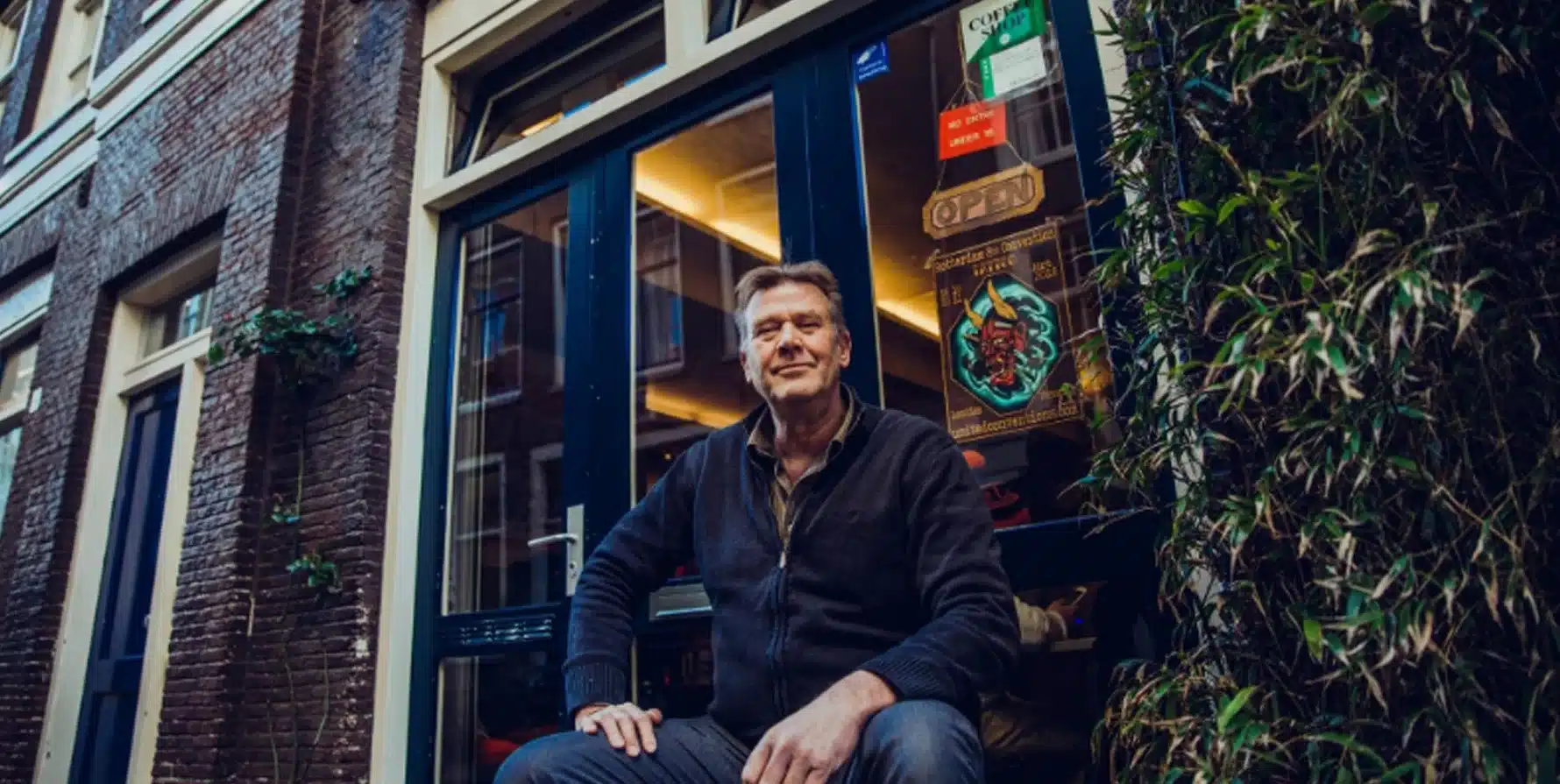
Why They Exist. How They Work. And How Not to Embarrass Yourself.
If this is your first time in Amsterdam, let’s clear up the first confusion:
A coffee shop is not just a place for cappuccinos.
It’s where cannabis is legally sold under regulated conditions. And yes — the name is intentionally vague.
Because technically, they were never meant to advertise cannabis.
The Netherlands has a long-standing “tolerance policy” (gedoogbeleid) — meaning certain activities are not fully legalized in the traditional sense, but tolerated under strict conditions.
So instead of calling them “cannabis stores,” they’re called coffee shops.
You won’t see billboards saying:
“Get high, it’s great!”
In fact, coffee shops are not allowed to advertise. You won’t see flashy promotional campaigns encouraging drug use. Even the name is low-key.
Very Dutch.
Here’s the pragmatic logic.
Drugs exist everywhere. You can buy cannabis in almost every country in the world — whether it’s legal or not.
The Dutch approach was: “If people are going to use drugs anyway, let’s separate soft drugs from hard drugs.” So coffee shops are allowed to sell soft drugs (cannabis) under regulation. They are not allowed to sell hard drugs.
They are not allowed to sell alcohol (because alcohol is classified as a hard drug in Dutch policy terms). The idea is harm reduction.
If someone wants to experiment, at least give them access to something that:
That doesn’t mean it’s harmless. You can absolutely have a bad experience. You can feel anxious. You can feel overwhelmed.
But the policy goal was simple: Reduce risk. Separate markets.
Keep hard drugs out of the same environment. It’s a very Dutch solution.
Not moral. Not promotional. Practical.
If you’re visiting a coffee shop in Amsterdam in 2026:
If you’re unsure what to choose, talk to the budtender (the staff).
Tell them honestly:
They’re not there to judge you. They’re there to help you not ruin your afternoon.
Big advice from us:
Edibles take time. Sometimes 30–90 minutes before you feel anything.
The classic tourist mistake:
Wait. Be patient.
It’s common. It’s not dramatic. Often your blood sugar drops.
That’s why coffee shops frequently offer:
Sit. Breathe. Drink something sweet.
It passes.
This part is important.
You can do your thing — as long as you’re a good neighbour.
Don’t:
If you’re sitting quietly on a bench at the side of a canal, not bothering anyone, generally no one will care.
If you’re loudly smoking in a dense crowd or outside a playground, people might complain.
It’s the same principle as the Red Light District: Freedom + responsibility.
Talking about the Red Light District, here it is forbidden to smoke outside of the coffeeshop – completely. You can get fines, 150 EUR.
Very important:
Souvenir shops selling:
Most of these do not contain THC.
Only licensed coffee shops are legally allowed to sell cannabis products containing THC.
If a place does not have:
It’s not selling real cannabis.
Also:
Never buy from street dealers. Ever.
Coffee shops are not a marketing tool. They are a regulatory compromise.
They say a lot about Dutch culture: “We know prohibition doesn’t erase reality. So let’s manage it instead.”
You won’t see Amsterdam pushing cannabis as an attraction. But it exists.
It’s part of the city.
And if you choose to experience it: Relax. Start slow. Don’t mix substances. Be a decent human. Go home safely.
That’s the pragmatic Dutch way.
Amsterdam is one of those cities that quietly adapts to you. Romantic? Yes.
Family-friendly? Surprisingly. Solo-travel safe? Absolutely. Culturally layered? Goldmine.
Same canals. Different experience. Let’s break it down properly.

(Romantic, intimate, slightly cinematic — especially in the evening)
Amsterdam can be ridiculously romantic. Not Eiffel-Tower-flashing-lights romantic.
But slow, reflective, “let’s talk about life while walking along a canal” romantic.
The city softens after 6 p.m.
The bridges light up. The water reflects golden houses. The streets get quieter.
Take a canal cruise at sunset. Or — even better — join one of our Hello Amsterdam Walking Tours in the evening (we run them during the week in spring, summer and autumn starting at 19:00). The atmosphere at that hour? Completely different. Slower. Warmer. Almost cinematic.
Amsterdam is made for long conversations. Coffee here. Canal bench there.
A random laugh in between. If there’s a city where quality time comes naturally, it’s this one.

(Yes. Really. If you know what you’re doing.)
A lot of families hesitate because of Amsterdam’s reputation.
Here’s the honest truth: Amsterdam is incredibly doable with kids.
You just need a plan.
We’ve written two full guides on this:
Those two blogs alone will save you hours of guessing.
And yes — we also offer a Private Family Walking Tour designed to keep three generations entertained. Games, storytelling, interaction. Not a dry history lecture.
The key with kids in Amsterdam:
Done right, it’s educational without feeling like school.

(Independent. Safe. Surprisingly social.)
Amsterdam is one of Europe’s easiest cities to travel alone. It’s safe. It’s open-minded. It’s chatty.
You can sit alone at a café and no one looks at you weirdly. Go to the cinema alone? Completely normal. Wander for hours? Ideal. People talk here. At bars. On tours. At communal tables. And because the city is small, you never feel isolated.
Our Humans of Amsterdam Cultural Walking Tour is particularly great for solo travellers. We regularly see people join alone… and leave with new friends.
It’s that kind of city.
You can:
If there’s a city built for solo wandering, it’s Amsterdam. Especially for women — it’s generally very safe and relaxed.
If you travel for depth, not just photos — Amsterdam delivers.
This city has:
It looks calm. But it’s layered. Deeply layered.
The Humans of Amsterdam Cultural Walking Tour is our full deep-dive experience into that complexity — meeting locals, hearing personal stories, understanding tolerance beyond the marketing version.
But even beyond tours:
Cultural travellers don’t just “see” Amsterdam. They decode it. And once you understand it, the city becomes infinitely more interesting.
Amsterdam doesn’t force you into one type of trip. Couple? It’s intimate. Family? It’s manageable. Solo? It’s freeing.
Cultural explorer? It’s layered and alive. Same canals. Different lens.
And that’s exactly why so many first-time visitors end up ranking Amsterdam higher than cities twice its size.

Amsterdam is easy. But it rewards preparation. Not spreadsheet-level planning.
Just smart moves before you board the plane. Here’s what you should absolutely know before arriving in Amsterdam.
(Especially Anne Frank & Van Gogh)
This is non-negotiable.
If you want to visit:
Book weeks in advance. Anne Frank and Van Gogh sell out quickly — especially in spring and summer. Waiting until you’re already in Amsterdam often means you won’t get in. Same goes for tulip season (March–early May).
If you want to see the tulip fields, book your trip early. We offer a Fields of Tulips small-group tour by car, taking you off the beaten track to real working fields — not crowded theme-park setups. But even those smaller tours fill up during peak bloom.
Tulips + hesitation = disappointment.
Book early. Future you will be grateful.
Amsterdam runs on cards. Debit cards, credit cards, Apple Pay, Google Pay — completely normal everywhere.
You can carry a little cash if it makes you feel comfortable, but realistically: 95% of places prefer card payment.
Even small cafés. Just note: some places don’t accept American Express.
Amsterdam weather changes fast. Even in July
Bring:
Umbrellas are easy to buy here (and many hotels provide them), but good shoes are not optional. Cobblestones are real. Bridges are real. You will walk.
Don’t land and rush straight into a museum. The smartest move in Amsterdam? Start with a walking tour.
We’d of course recommend:
But even if you don’t choose us — choose someone.
Do a walking tour on Day 1.
It grounds you. It explains the canals. It makes museums make sense.
It prevents random zigzag confusion. Two hours of context changes your entire trip.
Amsterdam is not a “cram everything in” city.
One museum per day is enough.
Leave space to:
The people who enjoy Amsterdam most? They don’t sprint through it.
Lunch? Flexible. Dinner? Not flexible
Mid-range, good, and high-end restaurants in Amsterdam often book out:
If you want:
Make the reservation.
Very normal in Amsterdam:
This isn’t being strict — it’s how restaurants manage small spaces. Book your dinners.
If you plan to:
Then the I amsterdam City Card can be very worth it.
It includes:
Run the numbers based on your itinerary. For museum-heavy trips, it often saves money.
You do not need to speak Dutch. English works everywhere.
That said, saying:
will earn you immediate goodwill.
From Amsterdam Schiphol Airport to Central Station:
It’s fast. Efficient. No drama.
Before you travel, just quickly check:
A little research here saves stress after landing.
Amsterdam is not overwhelming. It’s compact. It’s structured.
It’s easy — if you’re lightly prepared. Book the big attractions early. Reserve dinner.
Pack properly. Start with context. And then let the canals do the rest.

You’ve landed. You’ve checked in.
You’re standing in front of a canal thinking, “Okay wow, this is cute.”
Good.
Now let’s make sure you move through the city like someone who understands it.
Not perfectly. Just respectfully.
If this is your first time in Amsterdam, these are the small things that make a big difference.
Amsterdam runs on card.
Tap-to-pay works almost everywhere:
You might still see “PIN only” signs (PIN = card).
Carry a little cash if you want — but realistically, you won’t need much.
If you’re wondering what else visitors often get wrong, our guide on What Not to Do in Amsterdam will save you from a few avoidable mistakes.
This is the big one. Amsterdam is not a decorative bike city. It is a transport system powered by bicycles.
People are:
It is not a theme park. Look. In. Every. Direction. Even on one-way streets.
Even when you think you’re safe. Even when you’re taking a photo.
The canal belt looks like cute sidewalks. It’s not.
They’re often narrow streets where:
all share space.
Locals get extremely annoyed when tourists:
Take your beautiful photo. Just step aside first.
Is a bike coming? Is a car coming?
We need to flow together.
Yes, cycling in Amsterdam looks iconic. No, it is not beginner level.
If you are not experienced cycling in busy cities, rush hour is not the moment to experiment.
Morning (8:00–9:30) and late afternoon (16:30–18:00) are intense.
Also:
People will get annoyed. Not because you’re a tourist.
Because bikes are how we get from A to B. It’s not personal. It’s momentum.
If you want a relaxed bike experience, go to the countryside. Flat roads. Wide space. No rush.
In the city? Walk.
Or take public transport. It’s easier.
Public toilets? Not really.
You may notice open-air men’s urinals (yes, those green swirl things). Yes, it’s mostly for men.
Yes, it’s slightly odd the first time you see it.
For everyone else, the practical rule is:
Use cafés, bars, or restaurants. Simply ask the staff kindly if you can use the toilet.
Options:
There’s no strict rule. Out of own experience, 90% of the restaurants/bars will let you use their toilet if you ask kindly.
But don’t expect public restroom infrastructure on every corner.
Amsterdam is generally very safe. Violent crime against tourists is rare.
But pickpockets exist — especially in crowded areas like:
Keep your phone in a zipped pocket. Don’t hang your bag loosely on the back of a chair. That’s it.
Awareness beats paranoia.
Short answer: tipping in Amsterdam is not mandatory. Longer answer: it’s appreciated when the service is good.
Service staff are paid a proper minimum wage in the Netherlands. So tipping is not required in the same way it is in the U.S. No one will chase you. No one will glare at you.
No one will assume you’re rude. That said — if someone is friendly, attentive, and clearly doing their best, tipping is normal and appreciated.
Here’s what’s common:
Personally? If I wait 20 minutes for service and my food comes before my drinks, I don’t tip. But if someone is warm, attentive, and present? I’ll round up generously.
That’s very normal here. So: not mandatory.
But part of the service culture when deserved.
Amsterdam works best when you match its rhythm.
It’s not about being strict. It’s about spatial awareness. The city is compact. Space is limited. We all share it
If you:
You’ll feel the city open up to you. Amsterdam is easy. Just don’t fight its flow.

If you’re Googling:
You’re in the right place. Amsterdam isn’t Rome. It’s not Paris. It’s not Bangkok.
But the food scene?
Far better — and far more layered — than most people expect. Part traditional. Part colonial. Part immigrant. Part modern European.
Very much a reflection of the city itself. If this is your first time in Amsterdam, here’s what you should absolutely try.
Two thin waffles. Caramel syrup in between. Pressed fresh in front of you.
Find them at:
Hot stroopwafel > packaged airport stroopwafel. No debate.
If you want a full overview of where and when markets happen, read our guide to the 7 Best Day Markets in Amsterdam (ADD BLOG LINK HERE). It’ll help you time your visit properly.
Deep-fried balls filled with creamy beef ragout. Crispy outside. Molten inside. Dip in mustard. Blow first (you’ve been warned).
Best enjoyed in:
It’s not fancy. It’s Dutch. If you want the full brown café experience — apple pie, dark wood interiors, and no rush — this is your move.
Raw herring with onions and pickles.
You can:
It’s fresher and lighter than most people expect. Is it mandatory? No. Is it iconic Dutch food? Absolutely.
Tiny fluffy pancakes. Powdered sugar.
Butter melting into them. They look innocent.
They are not. You’ll want more than one portion.
Because of the Netherlands’ colonial history in Indonesia, Indonesian cuisine is deeply rooted in Amsterdam.
Rijsttafel (“rice table”) gives you:
It’s social. It’s layered.
It’s one of the most unique culinary experiences in Amsterdam. Skipping Indonesian food here would be a mistake.
This is not just dessert. It’s culture. Tall slice. Heavy apples.
Whipped cream on top (yes, you take it).
Sit somewhere like:
And don’t rush. This is peak “slow Amsterdam.”
Dutch food is often misunderstood. It’s simple. Seasonal. Ingredient-focused. If you want a real sit-down experience (not tourist menus), we’ve written a full guide:
Best Dutch Restaurants in Amsterdam (Local Picks for 2026)
It covers:
If you’re searching for “best Dutch restaurants in Amsterdam,” start there.
A big part of what to eat in Amsterdam isn’t in formal restaurants. It’s in markets. Albert Cuyp. Noordermarkt. Local weekend stalls.
If you want to explore beyond stroopwafels and see the full food landscape, read our guide to the 7 Best Day Markets in Amsterdam
Markets are where:
Messy. Local. Real.
If you don’t want to piece everything together from different blog posts, we created something else.
99 Secrets of Amsterdam
It’s a curated guide with:
Food is a big part of it. But so are parks, museums, hidden courtyards, and unexpected places most visitors miss. If you like knowing where to go without guessing — that guide was built exactly for you.
You can wander and figure it out yourself. Or you can skip the guessing.
Our Private Jordaan Food Tour takes you through one of Amsterdam’s most charming neighbourhoods — tasting local classics, discovering hidden gems, and understanding the stories behind what you’re eating. Small streets. Authentic spots. No tourist-trap roulette.
Our Private De Pijp Food Tour explores one of the city’s most vibrant, multicultural areas.
Think:
De Pijp shows you modern Amsterdam on a plate. Louder. More diverse. Very alive.
Amsterdam’s food scene reflects its identity. Traditional, yes.
But also:
You’ll find:
If you’re wondering what to eat in Amsterdam as a first-time visitor, the answer isn’t one dish. It’s layers. Very Amsterdam.

(And How to Avoid Them)
If this is your first time in Amsterdam, there are a few mistakes almost everyone makes. Not because people are careless.
Because the city looks small, charming, and harmless. And that’s exactly why it’s easy to misread.
Here are the most common Amsterdam travel mistakes — and how to avoid them.
This is the big one.
If you want to visit:
Book weeks in advance. This is the #1 regret we hear from first-time visitors to Amsterdam. Especially Anne Frank House. Tickets sell out fast.
If you forgot to book (it happens), don’t panic. We wrote a full guide on how to get last- minute Anne Frank tickets . It explains exactly when new tickets are released and what your realistic options are.
But ideally?
Book early.
Future you will be very grateful.
This one hurts a little. Visitors come for 3–4 days and never leave the canal belt.
Yes — you need to see:
But if you’re staying longer than two days? Get out.
Explore:
That’s what locals do. The canal belt is beautiful.
But Amsterdam is much more than the postcard version. Plan Day 1 in the centre.
Maybe Day 2. After that? Expand.
Yes, it’s beautiful. But Amsterdam is not an Instagram installation.
Common first-time visitor behaviour:
Locals get annoyed. Not because you’re taking pictures.
Because bikes are commuting. Cars are moving. Deliveries are happening. Take the photo. Just step aside first.
If you want a full breakdown of cultural “don’ts,” read our guide on What Not to Do in Amsterdam . It covers the things visitors do that unintentionally irritate locals.
We all share limited space here.
“I’ll just rent a bike.” Okay.
But understand:
Bikes are infrastructure here. Not decoration.
If you:
People will get irritated. Not because you’re a tourist. Because this is how we get to work.
If you’re inexperienced:
In the city? It’s intense.
Three museums. A canal cruise. A food tour. A party night. The Red Light District. All in one day.
This is one of the most common Amsterdam itinerary mistakes. Amsterdam works better when you slow down. One museum per day is enough. Leave room to wander. Leave room to sit at a canal
Leave room to not look at your phone for an hour. The people who enjoy Amsterdam most? They don’t sprint through it.
It won’t.
Not if you want:
Restaurants in Amsterdam often book out:
If you want a specific place? Reserve it. Otherwise you end up at the “average tourist fallback.”
This shows up most clearly during party weekends. Some visitors assume: “It’s Amsterdam. I can do whatever I want.” No. You can have fun.
But:
Let’s be very clear:
Taking pictures of sex workers in the windows is extremely disrespectful. It can get you yelled at. It can get your phone knocked away. It has happened.
Also:
Don’t mix heavy drinking with random drugs. Don’t buy drugs from street dealers. There have been serious medical incidents involving tourists who took substances sold as something else. Amsterdam is liberal.
It is not lawless. Again — if you’re unsure about social etiquette here, our What Not to Do in Amsterdam guide breaks it down clearly.
If you only experience the party version, you’re missing the actual city.
White sneakers will not survive cobblestones + sideways rain. This is one of the quieter but very real first-time visitor mistakes in Amsterdam.
This is the subtle mistake.
Visitors wander without understanding:
Start with context. A walking tour on Day 1 changes everything. After that, Amsterdam makes sense.
Without it? You’re just walking through pretty scenery.
Amsterdam is not complicated.
It’s compact.
If you:
The city opens up beautifully. And you won’t leave thinking you only saw the surface.

If we haven’t officially met yet — I’m Alexandra.
I live in Amsterdam and founded Who Is Amsterdam Tours in 2018 because I was tired of walking tours that felt like moving Wikipedia pages. Since then, I’ve guided thousands of visitors through the city — from first-time travellers trying to “do it right” to cultural deep-divers who want more than canal photos.
Everything in this guide comes from:
Amsterdam isn’t about doing more. It’s about understanding what you’re looking at.
If this guide helped you feel clearer, calmer, or more prepared — that’s exactly why I wrote it. And if you’d rather experience the city with stories, context, and real local encounters instead of figuring it out alone…
That’s what we do every day.