
A local’s guide to actually enjoying Amsterdam while on a budget.
Written by Alexandra, Founder of Who Is Amsterdam
Amsterdam is expensive. Annoyingly beautiful, but expensive.
There is a specific moment every visitor has in Amsterdam.
You buy one coffee, one pastry, maybe a tiny bottle of water because you are “being practical,” and suddenly your bank card makes a noise that feels personal.
Like… excuse me?
Amsterdam is gorgeous. Amsterdam is walkable. Amsterdam is full of free little moments that make you feel like you accidentally stepped into a painting.
But cheap? Not exactly.
This city can drain your wallet if you move through it on autopilot. Random snacks here. Last-minute museum tickets there. A taxi you absolutely did not need because Google Maps looked dramatic for three seconds.
So here’s the thing.
You can absolutely do Amsterdam on a budget. You just need to know where the money leaks happen. And luckily, locals are very good at not paying tourist prices for things. It’s practically a personality trait.
Plan your day before you start walking
Here’s the part most visitors skip, and it quietly costs them money and energy: Amsterdam is tiny. Genuinely tiny. The central city is compact enough that if you plan even a little, you rarely walk more than 15–20 minutes between attractions.
The mistake is zig-zagging. Museum in the east, lunch in the west, a sight back in the east again, and somehow you’ve crossed the whole city four times and your feet have filed a formal complaint.
So group your day by neighbourhood. Do your De Pijp things together. Do your Jordaan things together. Open Google Maps, look at where everything actually sits, and build a loose route instead of bouncing around like a pinball.
Walk when it makes sense, which is most of the time. Take a tram only when it genuinely saves you time, not because the map had too many blue lines and your nerve broke.
This saves money and energy, and energy is the thing that runs out first.
Walk more than you think
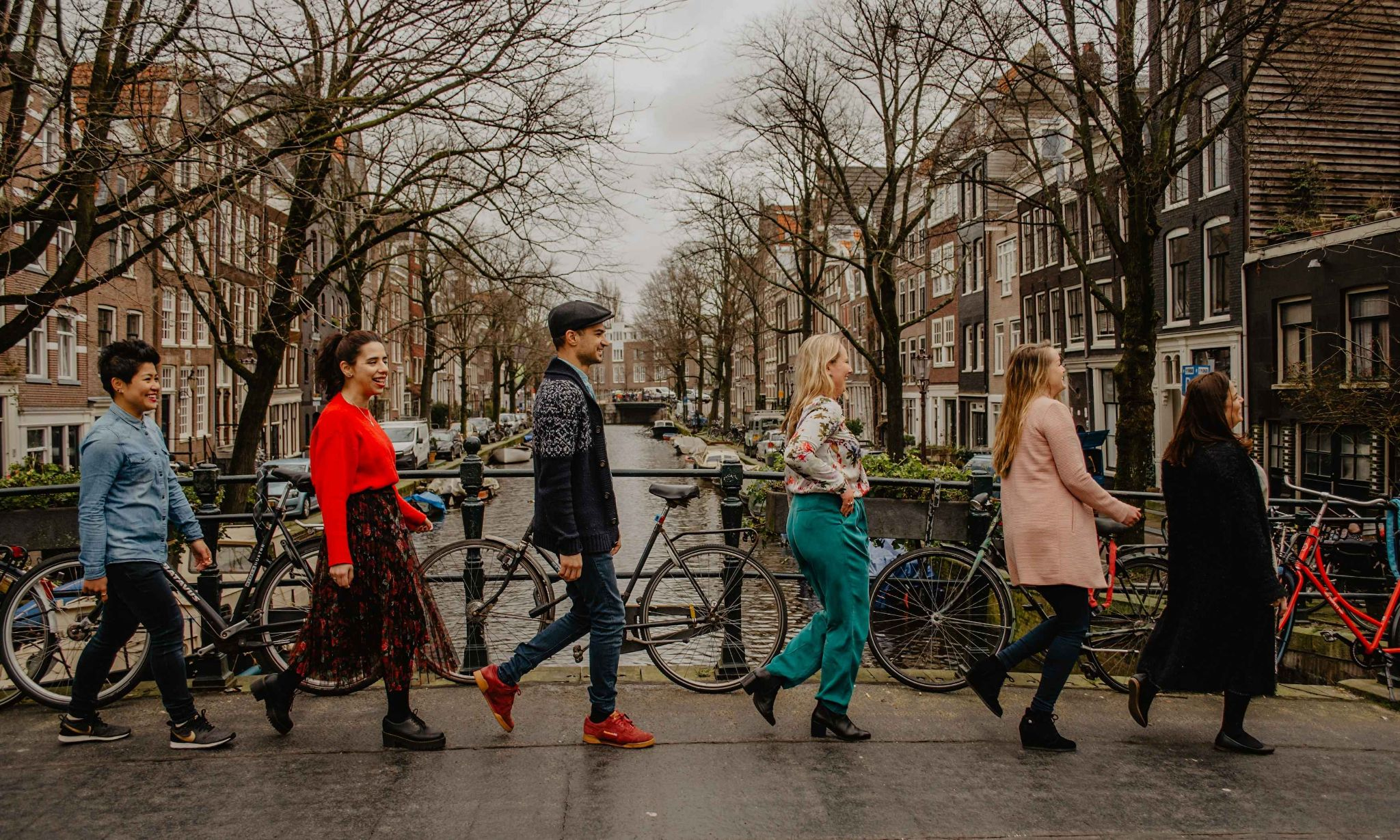
Amsterdam looks like a city where you need transport. Then you arrive and realise most of the central city is basically a very pretty walking puzzle.
Dam Square to the Jordaan? Walkable. Centraal Station to the Nine Streets? Walkable. Museumplein to De Pijp? Also walkable, if your shoes are not actively betraying you.
Walking saves money, yes, but it also gives you the best version of Amsterdam. The leaning houses. The canal corners. The tiny bridges. The cyclist carrying a plant, a child, and somehow also their entire emotional life.
This is where the city actually happens.
If it’s your first day and you want the city to make sense quickly, our Hello Amsterdam Walking Tour is a smart start. Not free, obviously, but it can save you from wasting the rest of your trip zigzagging around confused and hungry.
Which is a real travel genre.
Use public transport smartly, not randomly
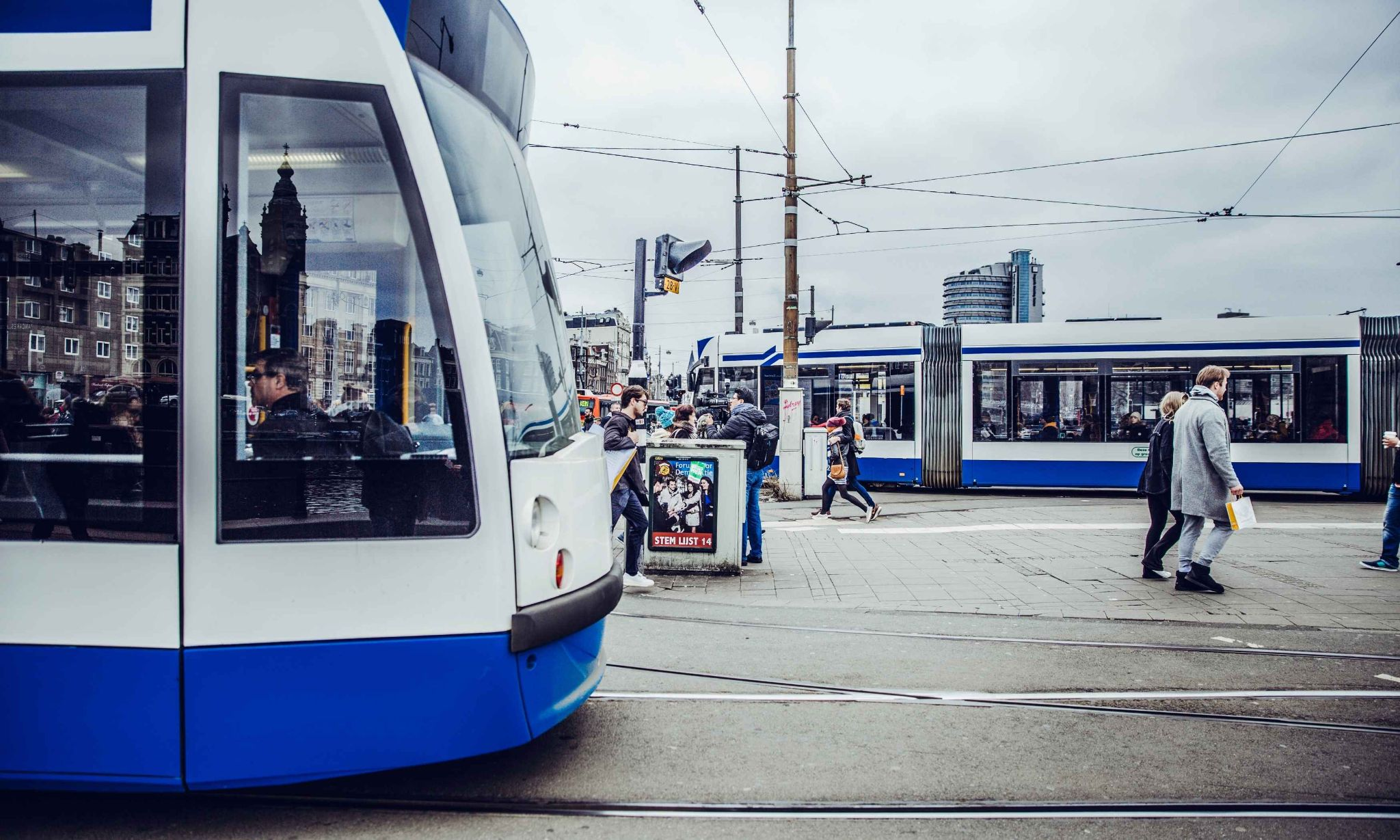
The tram is lovely. The tram is also where many visitors spend money because they panic-tap their way through the city without thinking.
Amsterdam public transport is easy once you understand the rhythm. For GVB trams, buses, and metro, you can tap in and out with a contactless debit card, credit card, or phone. No need to buy a separate ticket every time.
The trick?
Actually tap out. Not glamorous advice. Very important advice.
If you are doing lots of rides in one day, check whether a day ticket or contactless daily cap makes sense. If you are only taking one or two short trips, walking plus the occasional tram is usually enough.
Also, taxis in Amsterdam are rarely the budget move.
They have their place.
That place is not “I could have taken tram 2 but panicked because the map had too many blue lines.”
Take the free ferry behind Centraal Station
This one feels like cheating.
Behind Amsterdam Centraal, you can hop on a ferry across the IJ to Amsterdam Noord. It’s free for pedestrians and cyclists, and it gives you water views without paying for a canal cruise.
Is it a full canal cruise? No.
Is it a tiny free boat adventure with wind in your face and Amsterdam doing its moody harbour thing?
Absolutely.
Take the ferry to NDSM if you want street art, industrial buildings, waterside drinks, and that slightly scruffy creative energy Amsterdam still has when it’s not being too polished for visitors.
Budget tip: bring your own snack, sit by the water, feel smug in a wholesome way.
Eat at markets, not only restaurants
Restaurants in Amsterdam can get expensive fast. Not always “sell a kidney” expensive.
But definitely “wait, how was that lunch €48?” expensive.
Markets are your friend.
Albert Cuyp Market in De Pijp is the classic one. You can try warm stroopwafels, herring, kibbeling, poffertjes, fresh fruit, Surinamese sandwiches, and whatever fried thing is calling your name like a tiny edible siren.
Dappermarkt is more local and often better for cheaper everyday food.
Noordermarkt and Lindengracht Market are lovely for a Saturday wander.
Foodhallen is fun too, but it’s not always the cheapest. It’s more “budget-ish if you don’t get carried away,” which is a dangerous category.
We have a full guide to the best Amsterdam food markets if you want to eat well without sitting down at a restaurant every time your stomach has an opinion.
Which, on holiday, is often.
Here’s the distinction locals make: markets are perfect for lunch. For dinner, takeaway is the move.
The best example is Indonesian food, which is woven into Amsterdam eating in a way that surprises people. Sit down for a proper rijsttafel in a restaurant and you can easily spend €30–€35 a head. Walk into a local Indonesian takeaway, a toko, and a big meal often runs €15–€20, sometimes enough to feed two.
Toko Bersama is a good one to look out for. Locals do this constantly. It isn’t a compromise, it’s just how you eat well here without the bill doing something dramatic.
Do one proper food experience instead of five random snacks
This sounds backwards, but hear me out.
Sometimes trying to “save money” means you spend the whole day buying random bits.
A croissant. A coffee. A cone of fries. Another coffee because the first one was emotionally insufficient. A sad sandwich. A mystery snack. Suddenly you’ve spent the same as a proper food experience and all you remember is chewing near a tram stop.
Not ideal.
If food matters to you, choose one experience that gives you structure and local flavour, then keep the rest simple.
Our Self-Guided Food Tour De Jordaan and Self-Guided Food Tour De Pijp are good budget-friendly options because you explore at your own pace, follow a local route, and avoid the “where should we eat?” spiral.
A spiral that has ruined many relationships.
Okay, not ruined. But tested.
Picnic like a local
One of the best cheap things to do in Amsterdam is embarrassingly simple.
Go to an Albert Heijn or a Jumbo.
Buy bread, cheese, some sausage, fruit, a dip or hummus, something crunchy, and maybe a little chocolate because we are not here to suffer. If you pass a bakery, grab fresh bread there instead. For around €10–€15 you’ve got a proper picnic for two.
Then take it to a park.
Vondelpark is the obvious one. Westerpark is great. Oosterpark feels more local. Sarphatipark in De Pijp is tiny and lovely. If it’s summer, this is basically Amsterdam’s living room, except everyone brought their own blanket and at least one person is playing music slightly too loud.
For more seasonal ideas, especially if you’re visiting when the whole city is pretending to be outdoorsy, read our guide to Amsterdam in summer.
Amsterdam on a budget is much easier when you stop treating every meal like it needs a waiter.
Sometimes dinner is bread, cheese, grapes, and a canal view.
Honestly? Could be worse.
Be careful with city cards
City cards can save money. They can also become a very expensive guilt trip in your pocket.
The two worth weighing up are the I amsterdam City Card and the Go City Card. Both can save you money, but only if you actually use enough attractions to justify them. The I amsterdam City Card also includes public transport, which can tip the maths in its favour if you’re going to be hopping on trams anyway.
But if your plan is mostly walking, markets, parks, and one major museum, a card may not pay off.
Do the maths before you buy.
I know. Deeply unsexy. But useful.
A good rule: list the museums and attractions you actually want to visit, not the ones your fantasy travel self thinks you will visit after walking 22,000 steps.
Fantasy travel self is ambitious. Real travel self needs fries.
We compare the options more fully in our guide to the I amsterdam City Card vs Go City Card.
Book the big museums early

This is less about discounts and more about avoiding expensive disappointment.
The two that really sell out are the Anne Frank House and the Van Gogh Museum. Book those well ahead. When people leave it late, they end up panic-buying overpriced resale tickets, random bundles, or tours they didn’t really want.
The Rijksmuseum, for what it’s worth, is usually much easier and you can often get in at shorter notice, so don’t stress about that one in the same way.
The budget move is boring but powerful:
Plan the big stuff early. Book through official websites. Do not assume you can just “see how the day goes.”
Amsterdam hears that sentence and quietly removes all available time slots.
Skip the tourist-trap food, not the centre
I say this with love.
Do not eat the sad pizza next to Dam Square because your feet are tired and the menu has pictures.
That pizza has seen things.
But to be clear, the centre isn’t the enemy. Some of Amsterdam’s best restaurants are right in the middle of it. The problem is they sit side by side with some of the city’s worst tourist traps, and being near a famous sight tells you absolutely nothing about whether the food is any good.
So the advice isn’t “avoid the centre.” It’s: do a bit of research before you sit down anywhere. Five minutes of looking beats picking a place purely because it’s there and you’re tired.
Good budget neighbourhoods for food include De Pijp, Oud-West, Amsterdam Oost, and parts of Noord. You’ll find better bakeries, casual cafés, market snacks, takeaway spots, and neighbourhood restaurants that are not trying to charge you €9 for tap water with a facial expression.
Drink tap water
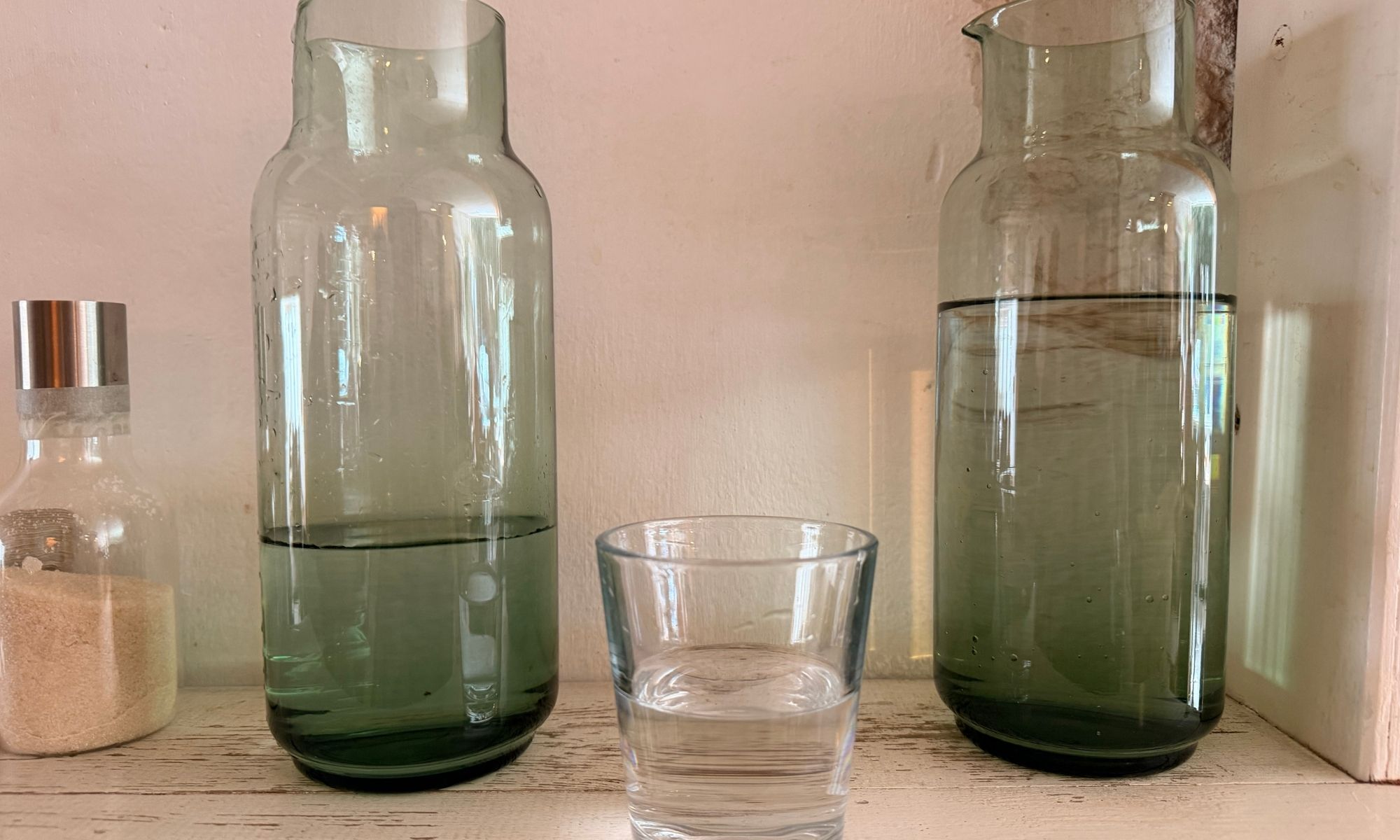
Amsterdam tap water is safe and good.
Bring a reusable bottle. Refill it.
Feel like an organised person for once.
Many cafés and restaurants will bring tap water if you ask, though not every place does it automatically. Don’t be shy. Just ask kindly.
This will not save your entire holiday budget, but it will stop you from paying for tiny bottles of water all day like you’re funding a glass empire.
Choose your neighbourhood wisely
Where you stay matters. A lot. In fact, accommodation is usually where visitors spend the most money by a wide margin, so this is the single biggest lever you have.
Accommodation in Amsterdam can be brutally expensive, especially in the canal belt, Jordaan, and around Museumplein. Beautiful areas, yes. Convenient, yes. Gentle on the budget, absolutely not always.
Look slightly outside the centre but near good public transport. Good options can include:
Amsterdam Oost, De Pijp, Oud-West, Noord near the ferry or metro, and Sloterdijk if you mostly need practical connections.
And if you’re happy to be a short train ride out, you can save serious money. Places like Zaandam, Haarlem, Hoofddorp, and Amsterdam Sloterdijk all have fast, frequent trains into the centre, and hotel prices that don’t make you wince. Across a few nights that can be hundreds of euros saved, for a commute you’ll barely notice.
The key is not “stay far away because it’s cheaper.”
The key is “stay somewhere connected enough that you don’t spend the savings on transport, taxis, or emotional damage.”
Also check the total price before booking. Amsterdam accommodation often comes with taxes and fees that appear at checkout like a plot twist.
Rude, but legal.
Don’t rent a bike just because everyone says you should
Cycling in Amsterdam is iconic. It is also not always relaxing if you are new here.
Locals cycle fast. Bike lanes have rules. Scooters appear. Delivery riders appear. Someone rings a bell and suddenly you forget every decision you’ve ever made.
Bike rental can be fun, especially outside the busiest centre, but don’t rent one just because Instagram said “Amsterdam by bike” and now you feel morally obligated.
Walking is free. Trams are easy. Your nervous system is worth protecting.
It may save you money.
It will definitely save you from standing in a bike lane while a Dutch grandmother judges your bloodline.
Go swimming at Marineterrein (yes, it’s free)
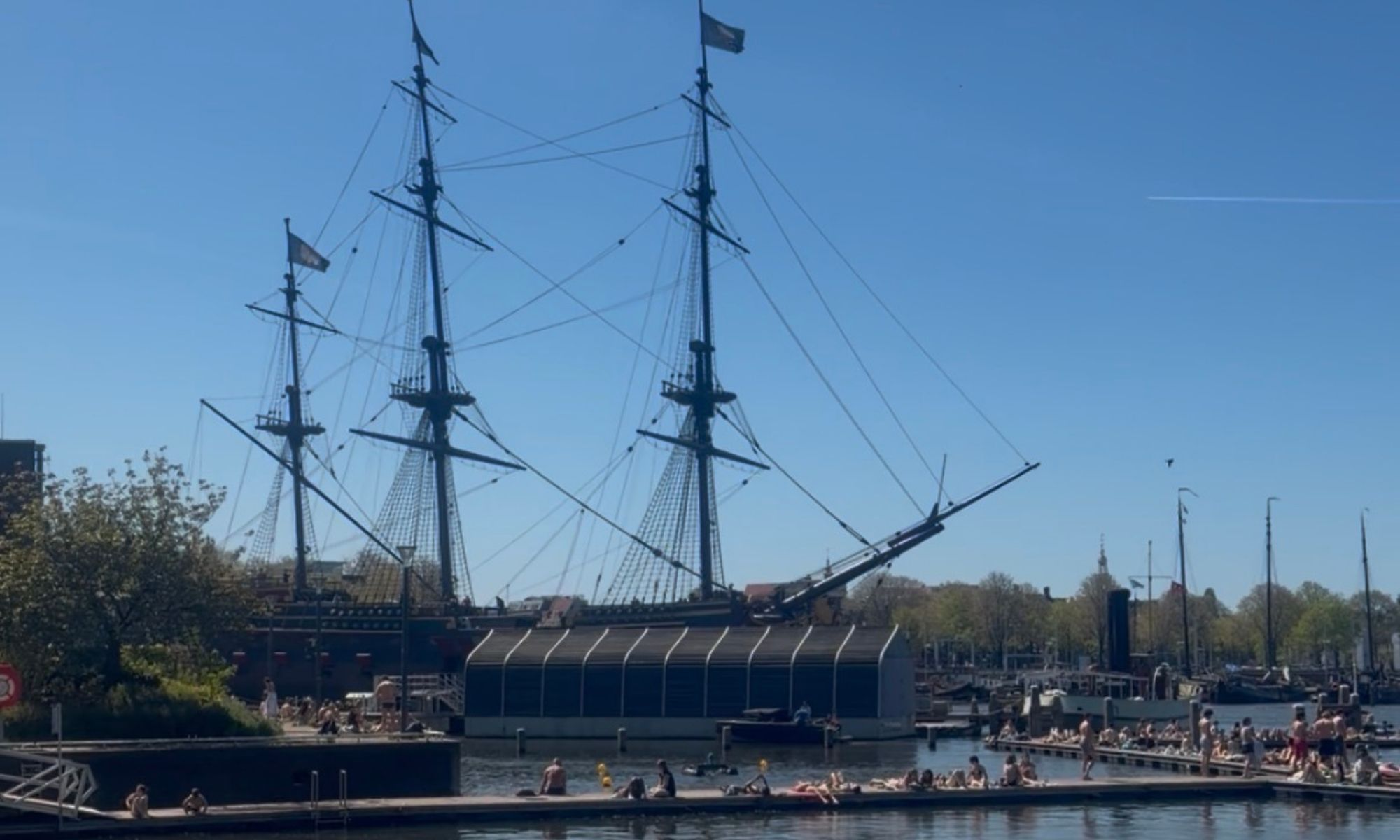
If you’re here on a warm day, this is one of my favourite tips, and almost nobody knows it.
Head to Marineterrein and swim in the harbour water. It’s free. You get beautiful views across the water, the Maritime Museum, and a 17th-century VOC ship sitting there looking like a postcard.
Most tourists have never heard of it. That’s rather the point.
Free things to do in Amsterdam that are actually worth it
A budget Amsterdam trip does not have to feel like you are standing outside expensive things sighing through glass.
There is plenty to do for free.
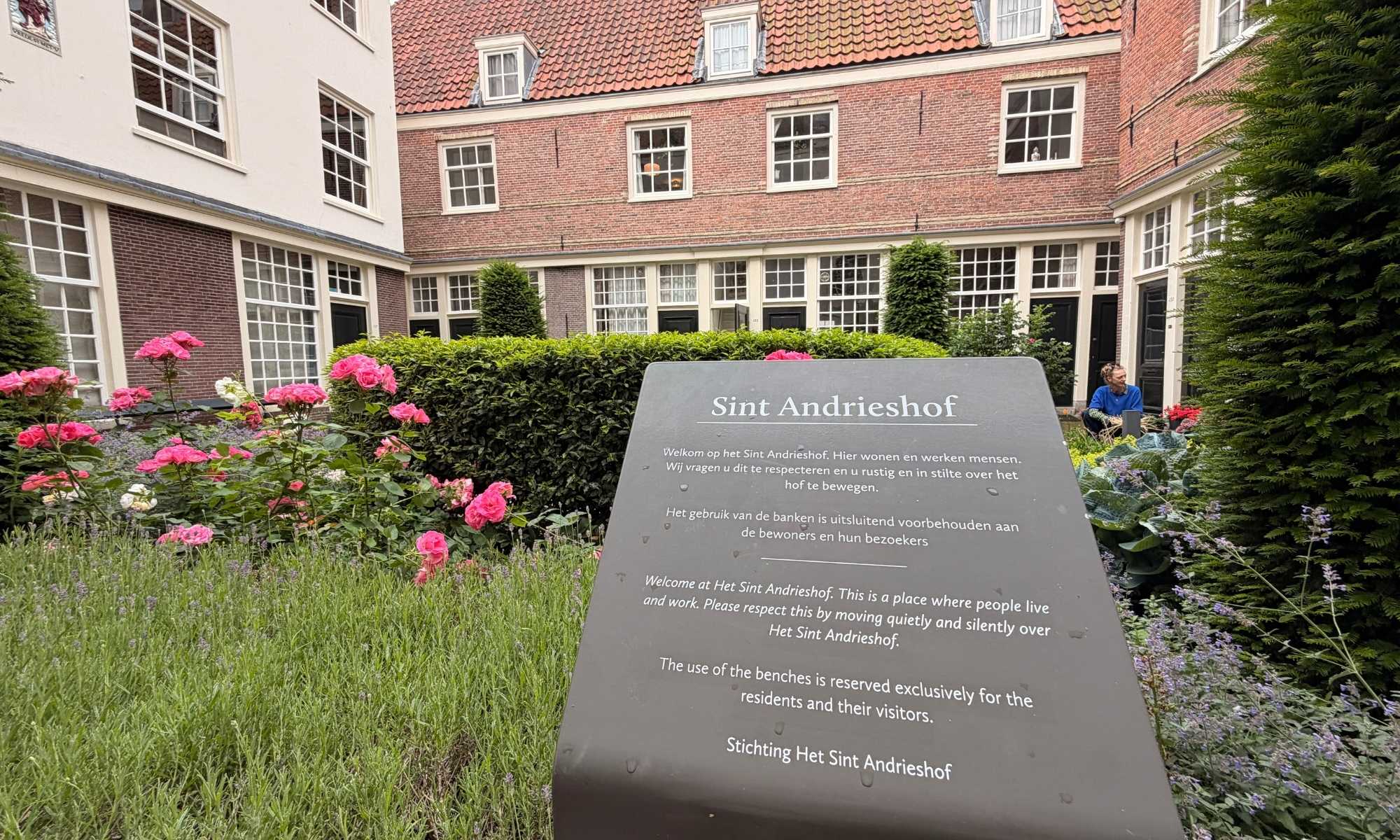
Walk the canal belt early in the morning. Visit the Begijnhof courtyard. Explore the Jordaan side streets. Take the ferry to Noord. Sit in Vondelpark with supermarket snacks. Walk around NDSM. Visit the Rijksmuseum gardens. Browse markets without buying everything. (Hard, but possible.) Watch golden hour from a bridge.
And the most underrated one of all: sit beside a canal with a coffee, watch the boats go by, and do absolutely nothing for half an hour.
It sounds like a joke. It isn’t. Doing nothing well is one of the most Amsterdam things you can possibly do, and most visitors are moving too fast between attractions to ever notice this side of the city.
Amsterdam is generous if you slow down.
The expensive version of the city is often the rushed version. The version where you’re trying to consume everything, book everything, tick everything, and somehow also “wander spontaneously” between reservations.
Exhausting.
The cheap version is often better.
Not because spending money is bad. But because Amsterdam’s best moments are usually between things.
Save your splurge for one thing you really care about
Here’s my honest local advice.
Don’t try to make every part of your Amsterdam trip cheap. That gets depressing fast.
Instead, save money on the things that don’t matter to you so you can spend on the one thing that does.
Maybe that’s a proper museum day. Maybe it’s a walking tour at the start of your trip so the whole city opens up.
Maybe it’s one beautiful dinner.
Maybe it’s apple pie in the Jordaan and you refuse to negotiate with destiny.
Good. That’s the point.
Budget travel is not about making your trip tiny. It’s about spending on purpose.
A simple budget day in Amsterdam
Here’s what a good low-cost day could look like.
Start with coffee and a pastry from a local bakery. Walk through the canal belt before the crowds wake up properly. Visit the Begijnhof. Wander through the Nine Streets without buying the €180 linen shirt. Growth. Walk into the Jordaan. Grab market food or a simple sandwich. Take the free ferry from Centraal to Noord. Explore NDSM. Come back for a supermarket picnic in Westerpark or Vondelpark. End with a canal walk at golden hour.
That’s a full Amsterdam day.
And you did not need to financially recover afterwards. Look at you.
Final local tips for Amsterdam on a budget
Amsterdam rewards people who plan just enough.
Not every minute.
Please no spreadsheet holiday with colour-coded snack windows.
But book the big museums early. Check whether a city card actually fits your plans. Walk when you can. Eat at markets and takeaways. Use public transport with a tiny bit of strategy. Stay somewhere connected. Save your splurge for something that will actually make the trip better.
Because here’s the honest truth: Amsterdam is as expensive as you make it. Stay slightly outside the centre, plan your days well, walk a lot, eat at markets and takeaways, and lean into the simple local pleasures, and you can have an incredible trip here without spending a fortune.
And leave space. That’s where Amsterdam gets good.
The bridge you didn’t plan. The market stall you almost walked past. The ferry ride that cost nothing but somehow becomes one of the things you remember.
Budget Amsterdam is not a lesser Amsterdam. It’s just Amsterdam with fewer panic purchases.
And honestly?
She looks good like that.
FAQ: Amsterdam on a budget
Yes, Amsterdam can be expensive, especially for accommodation, restaurants, museums, and last-minute bookings. But you can save a lot by walking, eating at markets, using public transport smartly, booking early, and mixing paid experiences with free neighbourhood exploring.
Walking is the cheapest and often the nicest way to explore central Amsterdam. For longer distances, use GVB trams, buses, and metro with contactless payment or a day ticket if you plan to ride a lot.
Yes. You can walk the canal belt, visit parks, explore neighbourhoods like the Jordaan and De Pijp, take the free ferry to Amsterdam Noord, visit markets, walk around NDSM, swim for free at Marineterrein on a warm day, and enjoy several free gardens and public spaces.
It depends on your plans. The I amsterdam City Card can be worth it if you want to visit several museums and attractions in a short time and use public transport, which is included. If you mostly want to walk, visit markets, and do one or two paid sights, it may not save you money. Do the maths first.
Markets are a great place to eat cheaply in Amsterdam. Try Albert Cuyp Market, Dappermarkt, Lindengracht Market, or Noordermarkt. You can also save money with supermarket picnics, Indonesian takeaway (a toko meal is far cheaper than a sit-down rijsttafel), bakeries, and casual local cafés outside the busiest tourist streets.
Not necessarily. Renting a bike can be fun, but cycling in Amsterdam can feel intense for first-time visitors. If you’re staying central, walking and occasional public transport may be cheaper, easier, and less stressful.
The biggest money mistake is not planning the expensive things early. Last-minute museum tickets, random food stops, taxis, and poorly chosen city cards can add up quickly. A little planning saves a lot of money without making the trip feel rigid.
Want to experience Amsterdam with someone who actually lives here? Our walking tours are built on stories, not scripts. Small groups, real conversations, and the kind of local knowledge you can’t Google. Or if you’re looking for something more immersive, the Humans of Amsterdam cultural tour takes you deeper into the city’s stories and the people who live them. See all our tours and start your Amsterdam trip the right way.