
A local’s guide to the city’s most walkable views.
Written by Alexandra, Founder of Who Is Amsterdam
The best canal in Amsterdam is usually the one you weren’t looking for.
One of my favourite things to do in Amsterdam is still embarrassingly simple.
Grab a good coffee. Walk along the canals. Have no proper destination.
I’ve lived here for 18 years, and I still do this all the time. Especially in the morning, when the city is quiet enough for you to hear your own footsteps and the water has not yet been disturbed by the first boats.
That’s the thing about Amsterdam’s canals. They are not really something you tick off a list. They are something you slowly enter into.
The first mistake people make with Amsterdam’s canals is assuming they are all variations of the same thing.
Which is understandable.
After a couple of days in the city, you’ve crossed so many bridges that your brain starts simplifying everything. Canal. Another canal. Slightly wider canal. Canal with a nicer reflection. Canal with a boat covered in plants that somehow looks more organised than your entire life.
Amsterdam does not exactly encourage distinction.
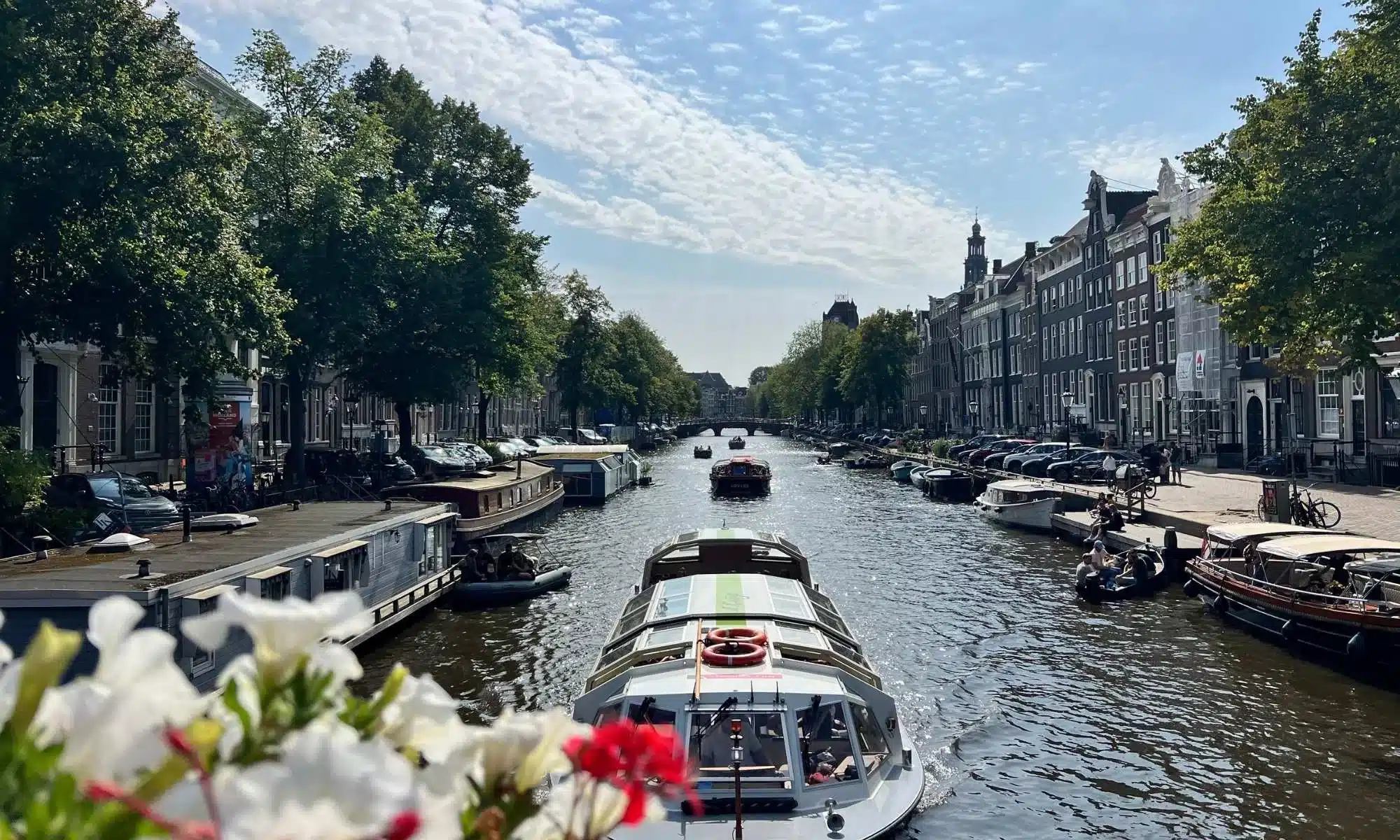
Water appears around nearly every corner. The streets curve unexpectedly. Entire neighbourhoods seem designed around the idea that getting pleasantly lost is a perfectly reasonable way to spend an afternoon.
Eventually, many visitors stop paying attention.
The canals become background scenery. Something beautiful that is always there, which means it slowly becomes invisible.
It’s a shame, because some of the city’s best experiences are not museums, attractions, or activities. They are walks, the kind that make a guided Amsterdam walking tour feel less like sightseeing and more like orientation.
Not all canals feel the same. Some are grand and elegant. Others are quiet and residential. Some seem built for postcards. Others feel like secrets hiding in plain sight.
These are the canal walks I find myself returning to again and again.
Understand the Canal Belt Before You Walk
It helps to understand the shape of Amsterdam before you start walking.
The historic centre is wrapped by three major canals that form a huge half-moon around the old city: Herengracht, Keizersgracht and Prinsengracht.
Herengracht is the grand one. Keizersgracht feels broad and elegant. Prinsengracht is lively, atmospheric and full of movement. Inside them sits the Singel. Around them are smaller canals, side streets, bridges, courtyards and neighbourhoods that make the city feel layered rather than planned in straight lines.
One of the nicest walks in Amsterdam is simply choosing one of those canals near Brouwersgracht and following it southwards.
You do not really need a destination.
The canal becomes the experience.
Morning Magic on the Canals
If you love photography, or if you simply like seeing a city before it starts performing for visitors, go early.
Most people explore the canals during the day, when boats are moving through the water and the bridges are full of people doing exactly the same thing you are doing.
But early in the morning, before the canal traffic begins, something magical happens.
The water becomes completely still.
The canal houses mirror themselves perfectly in the surface. Benches sit empty. Bikes lean silently against railings. The streets are quiet enough that the city feels, just for a little while, like it belongs to you.
That is when Amsterdam gives you some of its most beautiful photographs.
Start around Brouwersgracht. Then look for Egelantiersgracht, Herengracht at the corner of Brouwersgracht, Keizersgracht at the corner of Brouwersgracht, and Prinsengracht at the corner of Brouwersgracht.
These views are beautiful at any time of day, but in the morning they have a kind of stillness that you cannot fake.
You will probably plan to take a few photos.
You may end up staying much longer than intended.
Walk Through Brouwersgracht
If Amsterdam ever decided to crown an official prettiest canal, Brouwersgracht would be difficult to beat.
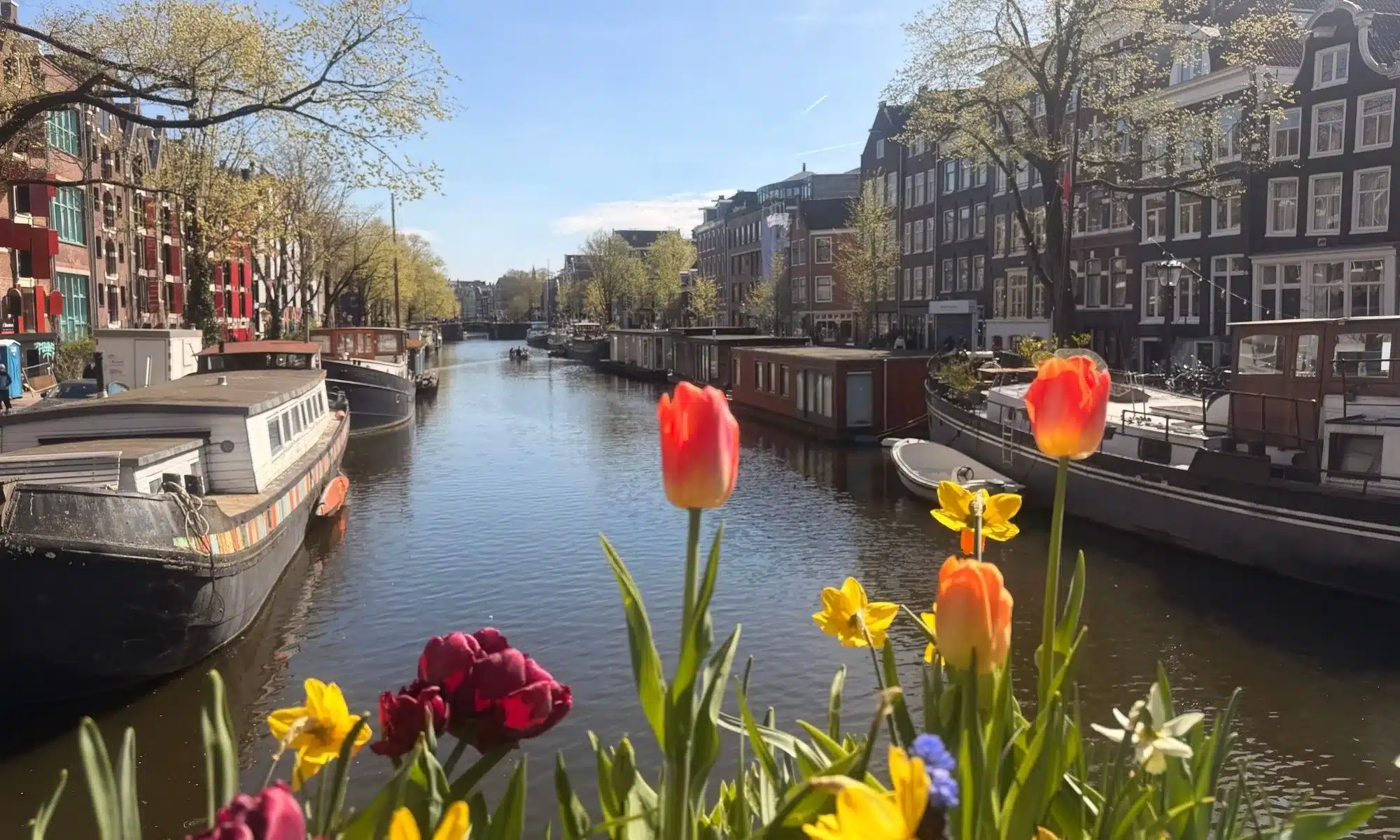
Locals recommend it constantly, although usually in a casual way that suggests they are trying not to oversell it. Visitors discover it, take approximately forty photographs, and then spend the rest of their trip comparing every other canal against it.
The comparison rarely ends well.
Brouwersgracht has an unusual ability to look exactly how people imagine Amsterdam will look before they arrive. Historic warehouses line the water. Houseboats sit beneath overhanging trees. Bridges appear at regular intervals, each framing the next stretch of canal like a carefully composed painting.
The strange thing is that none of this feels staged.
Many beautiful places eventually start feeling like attractions. Brouwersgracht never quite crosses that line. People live here. Bikes are locked to railings. Grocery bags are carried home.
Someone is usually watering plants outside a window. Life continues uninterrupted by the fact that tourists are quietly losing their minds over the scenery.
Morning is beautiful here because of the reflections. Late afternoon is beautiful here because the sunlight catches the upper floors of the buildings while the canal below softens everything into shadows and gold.
You start walking with a destination.
You finish wondering why you were in such a hurry.
If you like this kind of slow, story-led wandering, Hello Amsterdam Walking Tour covers the western canal belt with a local guide so the city starts making sense as you walk.
Follow the Herengracht Through the Golden Bend
There are places in Amsterdam that feel wealthy.
Then there is the Golden Bend.
This stretch of the Herengracht was once home to some of the most successful merchants in the Dutch Republic. Several centuries later, their houses remain standing, looking exactly like buildings constructed by people with substantial amounts of money and absolutely no interest in being modest about it.
The canal widens slightly here. The houses grow larger. Decorative facades become increasingly elaborate. Front doors begin looking important.
And yet the atmosphere never feels flashy.
That is the part that surprises people.
In many cities, wealth announces itself loudly. Here it feels quieter. More confident. The architecture is not trying to prove anything anymore. It solved that problem hundreds of years ago.
Walking along the Golden Bend feels less like sightseeing and more like stepping into a different chapter of Amsterdam’s story. The trees arch over the water. Reflections ripple beneath historic mansions.
Boats drift slowly through a landscape that has changed remarkably little since the seventeenth century.
It is one of the few places where looking up becomes more interesting than looking ahead.
Take your time.
There is no prize for reaching the end first.
Follow Prinsengracht South
Prinsengracht should never be treated as an afterthought.
It is one of the great canals of Amsterdam, and for many people it is the one that feels most alive. Herengracht has grandeur. Keizersgracht has width. Prinsengracht has movement.
Start near Brouwersgracht and follow Prinsengracht southwards. That is enough of a plan.
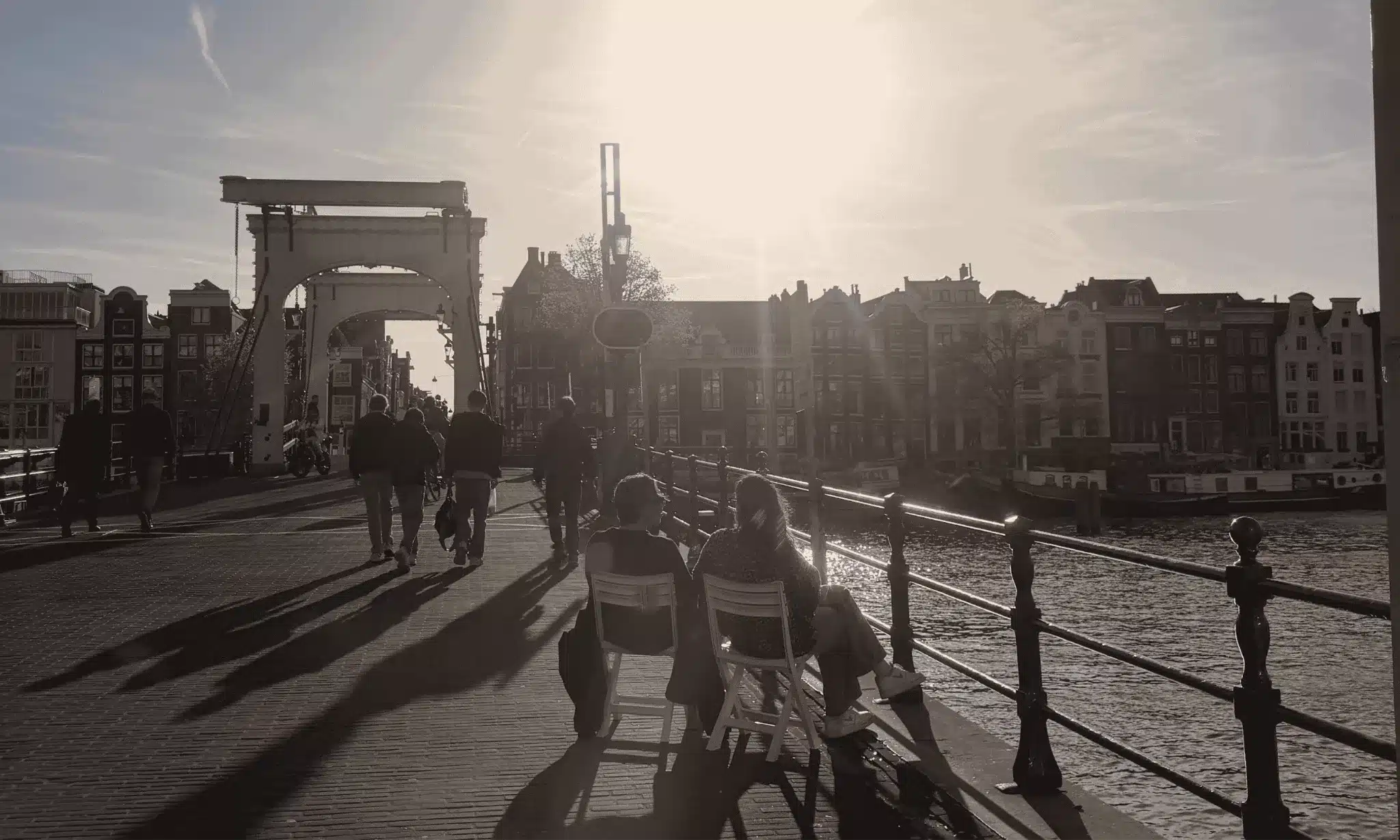
You pass houseboats, bridges, cafés, churches, small shops and stretches of canal where the city feels both famous and completely everyday at the same time.
This is what I love about it. Prinsengracht does not ask you to admire it from one perfect viewpoint. It keeps unfolding.
One bridge leads to another. One reflection makes you stop. One side street looks tempting. Before long, your walk has turned into the kind of Amsterdam experience people hope for but cannot always plan in advance.
If you only have time for one simple canal-belt walk, Brouwersgracht to Prinsengracht and then south is a very good place to start.
Get Lost Around the Nine Streets
The Nine Streets are often described as a shopping district.
Technically, that is true.
It is also a bit like describing a cathedral as a building with walls.
People arrive with lists of boutiques, cafés and vintage stores they have saved from Instagram. They move purposefully from one destination to another while accidentally walking through one of the most charming canal areas in the city.
The better approach is to abandon the plan almost immediately.
It is the same reason many first-time visitors to Amsterdam are better off leaving a little space in the itinerary.
Cross whichever bridge catches your attention. Follow whichever canal looks nicest in the afternoon light. Wander into side streets simply because they seem interesting.
The neighbourhood rewards curiosity.
Every turn reveals something different. Tiny independent shops sit inside centuries-old buildings. Window boxes overflow with flowers. Bicycles lean against railings in arrangements that somehow appear artistic despite definitely not being intentional.
The area has energy without becoming exhausting. People are everywhere, but nobody seems rushed. Conversations spill from cafés. Locals weave through visitors with the effortless confidence of people who know exactly where they are going.
You will probably stop for coffee somewhere, or stay longer than intended.
That is more or less how the Nine Streets work.
Visit the Museum of the Canals Before You Walk
If you really want to understand why Amsterdam looks the way it does, combine a canal walk with a visit to the Museum of the Canals.
It is one of the city’s most underrated museums.
The museum explains why the canals were built, how they shaped Amsterdam’s expansion, how the city grew around water, and how people lived along them.
That context changes the walk afterwards.
Suddenly the canal belt is not just pretty. You start seeing ambition, engineering, trade, status, water management and daily life layered on top of each other.
The same bridges and houses are still there, of course. But they make more sense.
That is often the difference between looking at Amsterdam and actually understanding it.
Walk the Jordaan Before the City Fully Wakes Up
The Jordaan is one of Amsterdam’s most beloved neighbourhoods, which means it spends much of the day being admired by enormous numbers of people.
The trick is arriving before they do.
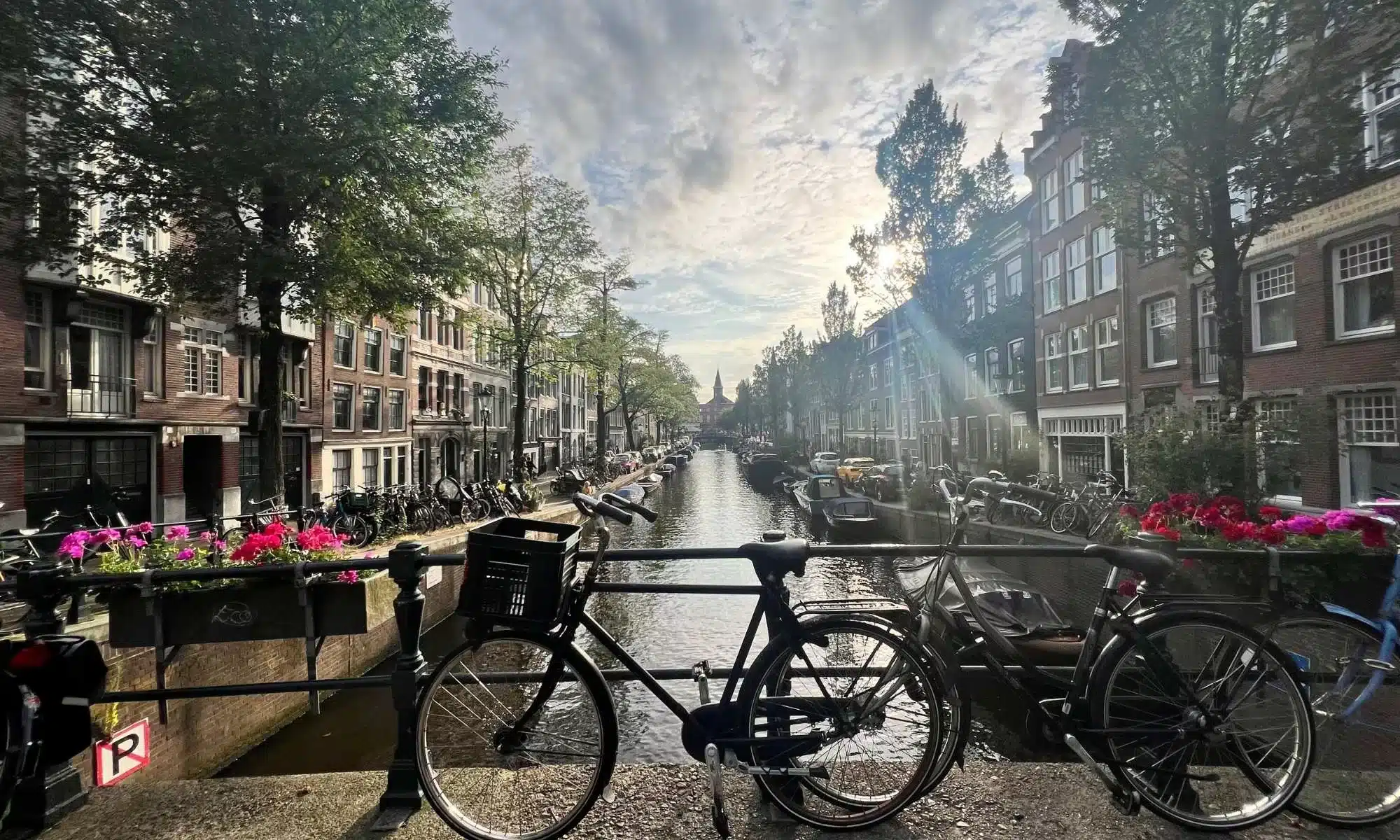
Early morning transforms the area completely. The canals remain the same. The houses remain the same. The bridges remain exactly where they were the night before.
Everything else changes.
The crowds disappear. Deliveries arrive. Residents step outside with coffee. Dogs walk. Curtains open. The neighbourhood gradually wakes up around you.
Walking beside the Bloemgracht or Egelantiersgracht at this hour feels surprisingly intimate. You are not experiencing Amsterdam as a destination. You are seeing it as a place where people actually live.
That is an important distinction.
The city often feels most beautiful when nobody is trying particularly hard to show it off.
Morning light reflects softly across the water. Boats remain tied quietly to the canal edge. The streets feel wider without crowds filling them.
For an hour or two, the Jordaan belongs mostly to itself.
Our Self-Guided Food Tour De Jordaan follows that same slower rhythm, built for people who want to wander, eat and understand the neighbourhood without being rushed.
The canals will still be there at noon. But they will not look like this.
Spend an Evening Along Reguliersgracht
Reguliersgracht has one of Amsterdam’s most famous views.
You know the one.
Stand in the right place and you will see multiple bridges aligned perfectly along the canal, creating a scene that appears on postcards, travel websites, and approximately eight million Instagram accounts.
The photograph is lovely.
The walk is better.
Most people stop long enough to capture the view before moving elsewhere. In doing so, they miss the thing that makes the area special.
Reguliersgracht is peaceful.
The canal feels calmer than many of its neighbours. Traffic is limited. The surrounding streets remain largely residential. The atmosphere encourages lingering.
Visit in the evening if possible. As darkness settles over the city, bridge lights begin reflecting across the water. Windows glow from inside canal houses. Conversations drift softly from terraces and doorways.
Amsterdam becomes quieter after sunset.
More relaxed.
More itself.
Reguliersgracht captures that version of the city beautifully.
See the Canal Belt at Golden Hour
One of the reasons we run the Hello Amsterdam Evening Tour during summer is simple: Amsterdam is stunning during golden hour.
The light becomes softer. The water starts catching the colour of the sky. The canal houses look warmer, and the city slows down without going quiet.
During the evening route, we walk through areas including Singel, Herengracht, Keizersgracht and Damrak.
Damrak especially deserves its own mention. The dancing houses there are among the most photographed buildings in Amsterdam, and honestly, rightly so.
When the evening light reflects in the water, that part of the city looks almost unreal. It is famous, yes, but it is famous for a reason.
That is why I do not think beautiful canal walks have to be about avoiding the obvious places. Sometimes the obvious places are wonderful. The trick is seeing them at the right time, with enough context to understand what you are looking at.
Explore the Eastern Docklands
When you picture Amsterdam canals, you probably picture history.
Narrow houses. Seventeenth-century gables. Brick bridges crossing intimate waterways. A bicycle leaning against something it probably should not be leaning against.
The Eastern Docklands will surprise you.
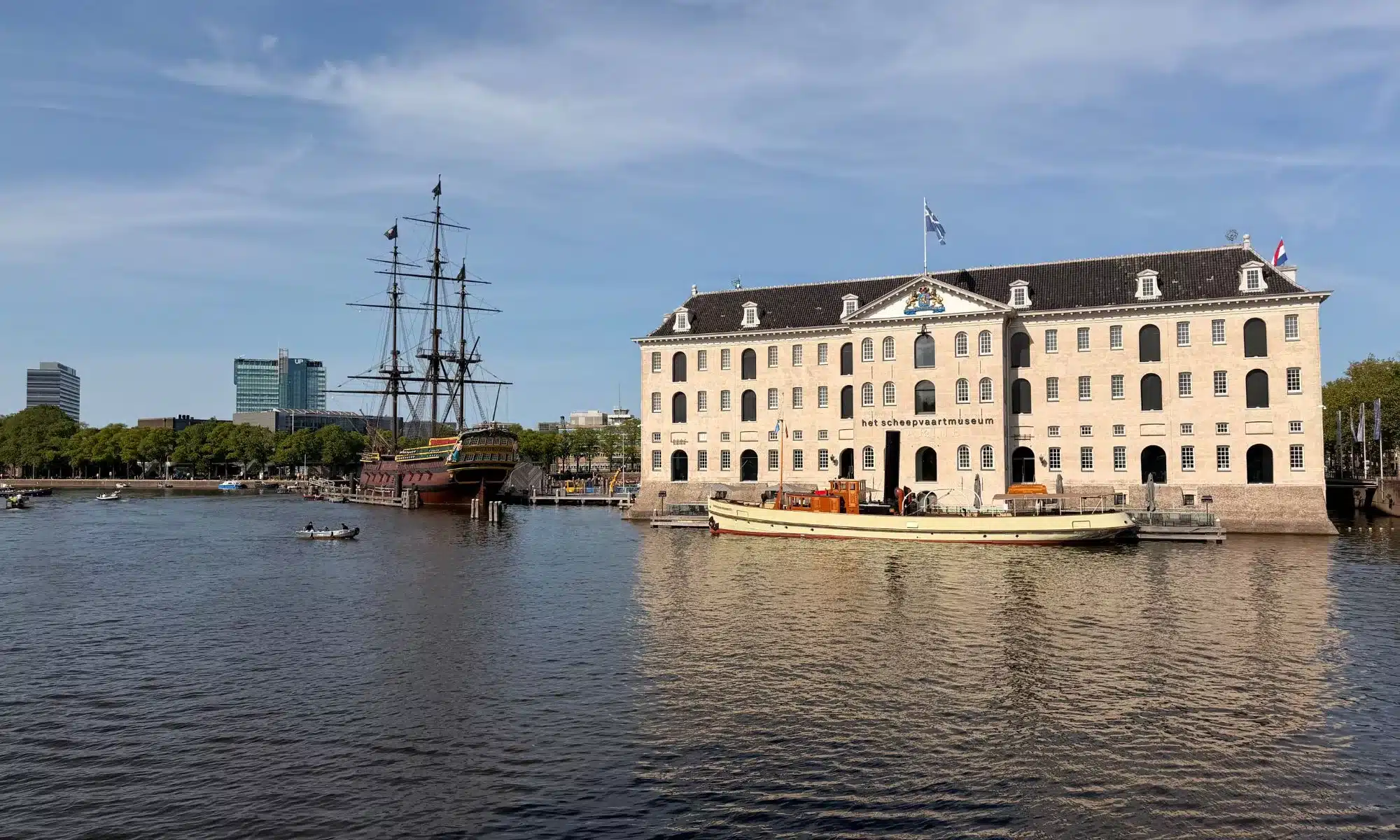
This part of the city feels contemporary without losing its relationship with water. Java-eiland and KNSM-eiland were developed on former harbour islands, which gives the whole area a rhythm that is noticeably different from the old canal belt.
The streets are broader. The buildings are bolder. The water is still central, but it is no longer dressed up as scenery from the past.
If you have spent a few days in the historic centre, that shift feels genuinely refreshing.
Instead of gabled houses and candlelit cafés, you get striking modern architecture, long waterfront paths, and quiet residential corners where people are just living their lives. Fewer tour boats. Fewer crowds gathering on bridges to take the same photo. More sky above you, more space around you, and the strange pleasure of being able to actually hear yourself think.
Start around Java-eiland, cross one of the bridges, follow the waterfront, and let the neighbourhood come to you.
You are not being directed toward a famous view every three minutes. You are just walking through a part of Amsterdam that knows exactly what it is.
It will not charm you the obvious way. Give it ten minutes anyway.
Follow the Amstel South
Technically, the Amstel is a river rather than a canal.
Practically speaking, you will not care once you are walking beside it.
Start near Carré Theatre and head south. Almost immediately the water broadens, the buildings thin out, and the city starts opening up around you in a way the historic centre never quite does.
Rowers cut through the water. Locals jog past without glancing at you. Residential streets replace tourist landmarks.
The further you walk, the more ordinary everything becomes.
That is exactly why it is worth doing.
There is a version of Amsterdam that exists when nobody is selling it to you. No tour groups, no audio guides, no carefully framed views. Just the city going about its day beside a wide, quiet river.
You start noticing different things. The way the light sits on the water in the afternoon. The houseboats that look genuinely lived-in rather than styled for photographs.
The feeling that you have wandered into something the guidebook did not send you to.
That is Amstel.
It will not be the most dramatic walk of your trip. It might be the one you remember most.
If that kind of Amsterdam appeals to you, the Humans of Amsterdam cultural tour is built around exactly that feeling, just with local stories and real people added in.
The Point of Walking Beside Water
Amsterdam’s canals are often described as attractions.
I think that is the wrong word. Attractions are things you visit.
The canals are something you experience.
They are the thread connecting neighbourhoods, histories and everyday life. They are where the city slows down. Where conversations happen. Where reflections transform ordinary buildings into something unexpectedly beautiful.
The best canal walks are not really about architecture, although there is plenty of that. They are not about history, although you will find centuries of it around every corner.
They are about the atmosphere.
Sitting on a bench with a coffee.
Watching the city wake up.
Seeing the first boats appear.
Crossing one more bridge simply because you are curious about what is on the other side.
Amsterdam gives you those moments constantly.
You just have to walk slowly enough to notice them.
FAQ: Amsterdam’s Most Beautiful Canal Walks
Brouwersgracht is probably the safest answer. Historic warehouses, quiet bridges, houseboats, good light, zero need to oversell it. It just works.
Walk Brouwersgracht, Prinsengracht, the Nine Streets, and Herengracht near the Golden Bend. For the classic canal-belt structure, remember the three big canals: Herengracht, Keizersgracht and Prinsengracht.
Early morning is the magic hour. Before the boats start moving, the water is often still and the canal houses reflect beautifully. Brouwersgracht, Egelantiersgracht and the Brouwersgracht corners of Herengracht, Keizersgracht and Prinsengracht are especially lovely.
Reguliersgracht and Prinsengracht are lovely after dark. For golden-hour views, Damrak, Singel, Herengracht and Keizersgracht are also beautiful, especially when the evening light reflects in the water.
Yes. If you want to understand why Amsterdam looks the way it does, the Museum of the Canals gives useful context before or after a walk. The canals feel much more meaningful once you understand how they shaped the city.
Very. Amsterdam is made for walking, especially if you are fine with getting slightly lost in a way that eventually becomes the point.
Walk without treating every bridge like a checkpoint. Pick a neighbourhood, slow down, stop for coffee, cross whatever bridge looks interesting. Efficiency is not the mood here.
Want to experience Amsterdam with someone who actually lives here? Our walking tours are built on stories, not scripts. Small groups, real conversations, and the kind of local knowledge you cannot Google. Or if you are looking for something more immersive, the Humans of Amsterdam cultural tour takes you deeper into the city’s stories and the people who live them. See all our tours and start your Amsterdam trip the right way.